

How Proactive Planning Protects Safety, Value, and Long-Term Performance
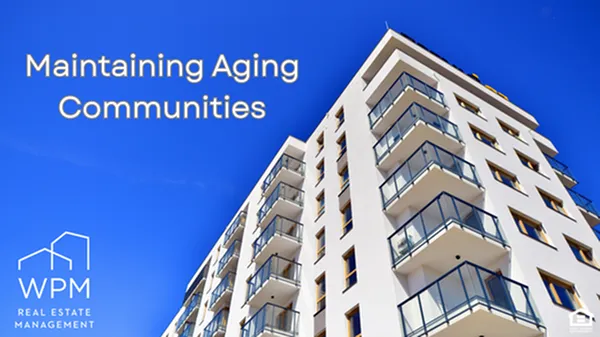
As communities age, their needs evolve. Roofs approach the end of their useful life, mechanical systems show signs of stress, and small issues that once seemed insignificant begin to carry bigger consequences. Whether you’re a multifamily owner or part of a homeowner or condominium association, caring for aging buildings requires more than responding to urgent problems. It requires a proactive, informed, and strategic approach to maintenance and capital planning.
At WPM, we see the same truth play out across all types of communities: Long-term building health is determined by how well you plan for it.
The communities that thrive are the ones that evaluate their assets regularly, understand lifecycle expectations, anticipate needs, and take steps early—before issues escalate into expensive failures.
The Core Principles: What Every Aging Community Needs
Start with intent and a realistic budget. Every effective maintenance plan starts with one question: What is the board, homeowner group, or owner trying to achieve? That intent shapes everything else, from what can be addressed now, to what must wait and what can be phased over three to five years.
This step also forces clarity between non-discretionary work (roof replacement, boilers, failing mechanical systems) and discretionary improvements (unit renovations, amenity or common area upgrades). It’s the difference between “must-do” and “nice-to-have”—a distinction that becomes crucial as buildings age and capital dollars need to stretch further.
Look for early signals before they become big problems. Preventive maintenance isn’t about responding more quickly. It’s about seeing the issue before it becomes a problem. During quarterly or seasonal walks, WPM teams look for:
These issues may seem small, but each one is an early sign of something bigger. Ignoring them could compound long-term damage.
Strengthen preventive maintenance routines. Routine tasks may feel simple, but they are the backbone of extending the life of building systems. This includes changing HVAC filters regularly, checking smoke detectors and life-safety equipment, ensuring heat is reaching mechanical rooms in the winter, and conducting regular and after-hours lighting audits, among other things. In an aging community, these smaller touchpoints prevent larger—and more expensive—repairs down the road.
Be thoughtful about what’s done in-house vs. outsourced. There was a time when maintenance teams tried to do everything themselves. But with aging buildings, more complex systems, and increased technology integration, doing everything in-house often creates more deferred maintenance—not less.
Today’s best practice is a hybrid model: Use onsite teams where it makes sense and outsource specialized work or time-consuming projects, such as major roofing projects or large-scale mechanical replacements. This ensures quality, reduces long-term cost, and keeps the onsite team focused on areas that matter most.
Use data to drive decisions—not just experience or intuition. Owners and boards make the best decisions when they have a clear, data-driven understanding of the condition of their community. This is where reserve studies, architectural inspections, and tools like WPM’s Inspection of Safety Systems, Envelope, and Environment (ISSEE) process become invaluable.
For Community Associations: Planning for Aging Shared Assets
Community Associations vary widely, from single-family HOAs with modest shared amenities to condominium communities with extensive building envelopes and complex mechanical systems. Their maintenance plans must reflect those different scopes.
For HOAs, responsibilities typically focus on exterior and shared amenities rather than individual homes. This often include things like:
These are assets that age just like any other part of a community, and they often require more attention as they approach the end of their lifecycle.
For condominium associations, boards may also have a broader set of responsibilities, including:
Because the scope is broader, so is the potential risk, placing even greater importance on early planning.
Reserve studies provide community associations with essential information to help understand the lifecycle of various assets within a community. However, reserve studies alone rarely guide boards on how to execute the work. Too often they are left with long lists of expensive projects, large multi-year cost estimates, pressure to raise fees, and no roadmap for what to do first, what can wait, or how to stay ahead of failures.
Many communities without internal maintenance support rely on individual contractors (roofers, plumbers, landscapers) to guide their capital planning. However, this can lead to biased or incomplete recommendations. WPM provides independent, objective expertise, helping boards translate their reserve study into a realistic, financially responsible, multi-year plan—one that prioritizes needs, aligns with available funds, and protects long-term property value.
For Multifamily Owners: Managing Aging Buildings Inside and Out
Multifamily properties face a different challenge: owners are responsible for everything inside and outside the buildings, from structures and systems to common areas and unit interiors.
Unlike Associations, multifamily communities don’t employ external reserve specialists. In many ways, WPM fills that role for owners by evaluating building systems, identifying lifecycle needs, and developing the long-range capital strategies typically found in a reserve study. This means WPM evaluates the full condition of the asset and helps owners identify the right mix of investments needed to maintain long-term performance, which typically includes:
Beyond assessing systems and identifying capital needs, WPM partners with owners to align these priorities with their long-term goals for the property. This includes understanding timing around capital cycles, refinancing, and value-add opportunities so investments are made strategically and not simply in response to failures. By approaching maintenance this way, owners can protect asset value, plan ahead with confidence, and avoid the surprises that often come with aging buildings.
Part of WPM’s maintenance planning is its Inspection of Safety Systems, Envelope, and Environment (ISSEE) process, a top-to-bottom assessment designed specifically for multifamily communities. This detailed assessment:
Together, these insights give owners a deeper understanding of where the property stands today and what is likely to require attention in the coming years. Rather than relying on assumptions or waiting for systems to fail, owners have a clear, evidence-based foundation for planning major investments at the right time and in the right sequence.
The Future Belongs to Communities That Plan Ahead
Aging communities face many pressures, including tight budgets, rising costs, complex systems, and the natural wear that comes with time. But with thoughtful planning, proactive maintenance, and access to the right expertise, they can avoid costly surprises and ensure safe, stable, well-maintained environments for years to come.
Whether through reserve study interpretation, architectural inspections, 10-year capital planning, or tools like the ISSEE process, WPM helps communities move from reacting to problems as they arise to anticipating them, protecting both the physical property and the people who call it home.
As communities age, their needs evolve. Roofs approach the end of their useful life, mechanical systems show signs of stress, and small issues that once seemed insignificant begin to carry bigger consequences. Whether you’re a multifamily owner or part of a homeowner or condominium association, caring for aging buildings requires more than responding to urgent problems. It requires a proactive, informed, and strategic approach to maintenance and capital planning.
At WPM, we see the same truth play out across all types of communities: Long-term building health is determined by how well you plan for it.
The communities that thrive are the ones that evaluate their assets regularly, understand lifecycle expectations, anticipate needs, and take steps early—before issues escalate into expensive failures.
The Core Principles: What Every Aging Community Needs
Start with intent and a realistic budget. Every effective maintenance plan starts with one question: What is the board, homeowner group, or owner trying to achieve? That intent shapes everything else, from what can be addressed now, to what must wait and what can be phased over three to five years.
This step also forces clarity between non-discretionary work (roof replacement, boilers, failing mechanical systems) and discretionary improvements (unit renovations, amenity or common area upgrades). It’s the difference between “must-do” and “nice-to-have”—a distinction that becomes crucial as buildings age and capital dollars need to stretch further.
Look for early signals before they become big problems. Preventive maintenance isn’t about responding more quickly. It’s about seeing the issue before it becomes a problem. During quarterly or seasonal walks, WPM teams look for:
- Roofline concerns (for condo and multifamily buildings)
- Clogged or misaligned gutters
- Downspouts draining back toward buildings
- Water stains or signs of leaks
- Cracks or settlement around foundations
- Overflowing trash areas
- Exterior lighting issues
- Safety system irregularities
- Mechanical rooms showing early warning signs
These issues may seem small, but each one is an early sign of something bigger. Ignoring them could compound long-term damage.
Strengthen preventive maintenance routines. Routine tasks may feel simple, but they are the backbone of extending the life of building systems. This includes changing HVAC filters regularly, checking smoke detectors and life-safety equipment, ensuring heat is reaching mechanical rooms in the winter, and conducting regular and after-hours lighting audits, among other things. In an aging community, these smaller touchpoints prevent larger—and more expensive—repairs down the road.
Be thoughtful about what’s done in-house vs. outsourced. There was a time when maintenance teams tried to do everything themselves. But with aging buildings, more complex systems, and increased technology integration, doing everything in-house often creates more deferred maintenance—not less.
Today’s best practice is a hybrid model: Use onsite teams where it makes sense and outsource specialized work or time-consuming projects, such as major roofing projects or large-scale mechanical replacements. This ensures quality, reduces long-term cost, and keeps the onsite team focused on areas that matter most.
Use data to drive decisions—not just experience or intuition. Owners and boards make the best decisions when they have a clear, data-driven understanding of the condition of their community. This is where reserve studies, architectural inspections, and tools like WPM’s Inspection of Safety Systems, Envelope, and Environment (ISSEE) process become invaluable.
For Community Associations: Planning for Aging Shared Assets
Community Associations vary widely, from single-family HOAs with modest shared amenities to condominium communities with extensive building envelopes and complex mechanical systems. Their maintenance plans must reflect those different scopes.
For HOAs, responsibilities typically focus on exterior and shared amenities rather than individual homes. This often include things like:
- Clubhouses
- Pools & fitness facilities
- Playgrounds
- Exterior lighting
- Stormwater systems
- Private roads and sidewalks
- Landscaping and irrigation
- Other shared amenities
These are assets that age just like any other part of a community, and they often require more attention as they approach the end of their lifecycle.
For condominium associations, boards may also have a broader set of responsibilities, including:
- Roofs
- Siding and exterior materials
- Hallways and shared interior spaces
- Common mechanical rooms
- Shared plumbing risers
- Fire suppression systems
- Building envelope performance
Because the scope is broader, so is the potential risk, placing even greater importance on early planning.
Reserve studies provide community associations with essential information to help understand the lifecycle of various assets within a community. However, reserve studies alone rarely guide boards on how to execute the work. Too often they are left with long lists of expensive projects, large multi-year cost estimates, pressure to raise fees, and no roadmap for what to do first, what can wait, or how to stay ahead of failures.
Many communities without internal maintenance support rely on individual contractors (roofers, plumbers, landscapers) to guide their capital planning. However, this can lead to biased or incomplete recommendations. WPM provides independent, objective expertise, helping boards translate their reserve study into a realistic, financially responsible, multi-year plan—one that prioritizes needs, aligns with available funds, and protects long-term property value.
For Multifamily Owners: Managing Aging Buildings Inside and Out
Multifamily properties face a different challenge: owners are responsible for everything inside and outside the buildings, from structures and systems to common areas and unit interiors.
Unlike Associations, multifamily communities don’t employ external reserve specialists. In many ways, WPM fills that role for owners by evaluating building systems, identifying lifecycle needs, and developing the long-range capital strategies typically found in a reserve study. This means WPM evaluates the full condition of the asset and helps owners identify the right mix of investments needed to maintain long-term performance, which typically includes:
- Must-do infrastructure needs
- Lifecycle-driven mechanical replacements
- Preventive upgrades
- Unit renovations
- Amenity improvements
Beyond assessing systems and identifying capital needs, WPM partners with owners to align these priorities with their long-term goals for the property. This includes understanding timing around capital cycles, refinancing, and value-add opportunities so investments are made strategically and not simply in response to failures. By approaching maintenance this way, owners can protect asset value, plan ahead with confidence, and avoid the surprises that often come with aging buildings.
Part of WPM’s maintenance planning is its Inspection of Safety Systems, Envelope, and Environment (ISSEE) process, a top-to-bottom assessment designed specifically for multifamily communities. This detailed assessment:
- Evaluates physical condition and building systems
- Identifies deferred maintenance
- Provides budget ranges for future capital spending
- Helps owners plan for large projects (like roofs, mechanical systems, and safety systems)
- Fills the gap between acquisition/refinance assessments
- Supports better decision-making and long-term asset preservation
Together, these insights give owners a deeper understanding of where the property stands today and what is likely to require attention in the coming years. Rather than relying on assumptions or waiting for systems to fail, owners have a clear, evidence-based foundation for planning major investments at the right time and in the right sequence.
The Future Belongs to Communities That Plan Ahead
Aging communities face many pressures, including tight budgets, rising costs, complex systems, and the natural wear that comes with time. But with thoughtful planning, proactive maintenance, and access to the right expertise, they can avoid costly surprises and ensure safe, stable, well-maintained environments for years to come.
Whether through reserve study interpretation, architectural inspections, 10-year capital planning, or tools like the ISSEE process, WPM helps communities move from reacting to problems as they arise to anticipating them, protecting both the physical property and the people who call it home.