


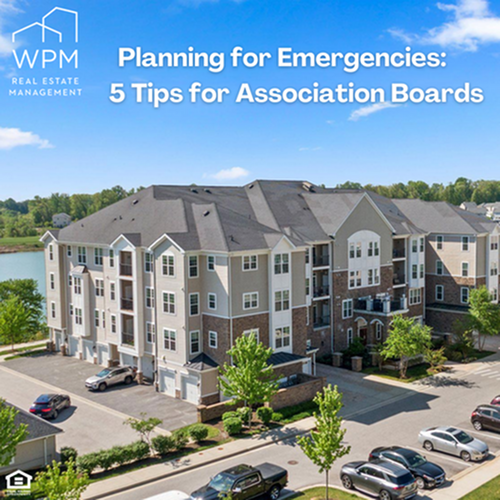
One of the responsibilities of a community association board is preparing for emergencies, ensuring that the residents of the association are provided clear communications before an emergency arises. For associations that govern communities with high-rise and mid-rise buildings, the need to be proactive is even greater. Here are five tips for community association boards to explore as part of their emergency preparation planning:
- Practice for Emergencies. While fire drills are commonplace in schools and businesses, they are noticeably absent in community associations. This oversight poses a significant risk, as residents may be ill-prepared to evacuate safely in the event of a fire or other emergencies. Implementing regular drills, even on an annual basis, can familiarize residents with evacuation procedures and meeting points, ensuring a swift and organized response when faced with a crisis.
- Gather Accurate Resident Information. In an emergency, having comprehensive information readily available for first responders is of paramount importance. Knowing the specific number of residents in each unit, their contact details, and emergency contacts can facilitate efficient evacuation and accountability during crises as well as assist first responders. While such information may already be mandated in community documents, the lack of enforcement or willingness of residents to share complete information could make it difficult in an emergency. Boards need to inform homeowners about its significance and work to ensure they have accurate information on file for all of the community’s residents.
- Educate Owners About Resources. In addition to conducting drills and gathering resident information, disaster preparedness should extend to individual households. Boards can help homeowners by making them aware of resources from organizations like Homeland Security, which outline essential items for emergency preparedness, including a "go bag" containing important documents. Encouraging families to discuss and plan for emergencies, emphasizing designated meeting points, and prioritizing essential items for evacuation can mitigate panic and confusion during crises.
- Prompt Owners to Notify Management. One of the benefits of a condominium or homeowner association is the shared responsibility for some aspects of the community. Prompt notification to the community management company in the event of damage to a unit, such as flooding or a fire, allows for swift action and prevents unnecessary delays or complications in resolving the crisis. Depending on the specific covenants and restrictions, restoration and repairs may be the community’s responsibility. What’s more, the management company may have a team or relationship with a vendor who can respond quickly and ensure the safety of all residents in the community.
- Be Prepared to Lead. Board members should be prepared to take on additional responsibilities during mass evacuations, recognizing that management personnel may be preoccupied with securing their own families and properties. Proactive measures, such as personally notifying residents and assisting with evacuation efforts, demonstrate leadership and foster community resilience in challenging times.
While disasters and emergencies are never experiences we want to expect, being prepared can make all the difference. By taking the initiative to prioritize safety and resilience, communities can effectively navigate emergencies and safeguard the well-being of their residents.