Posts about Associations

Why the Life Cycles of Major Building Systems Matter-image

Roofs, boilers, HVAC systems, plumbing infrastructure, pools, access control systems, and other major building components are easy to take for granted when they are working properly. But when one of these systems fails, the impact can be significant.   A leaking roof can cause interior damage. A boiler or hot water system failure can disrupt residents. An aging HVAC system can affect comfort, efficiency, and operating costs. A failing pool, outdated fitness center, or aging amenity can shape how residents, homeowners, and prospective renters experience the community.   These systems also come with real costs. Major components can range from tens of thousands of dollars to several hundred thousand dollars. When those expenses are anticipated, owners and boards have more options. When they are not, decisions often have to be made quickly, under pressure, and with fewer choices.   From Reactive Repairs to Proactive Planning Every major building component has a useful life. The question is not whether a roof, boiler, chiller, or access system will eventually need repair or replacement. The question is whether the property team, owner, or board understands where that system is in its life cycle and has a plan for what comes next.   A proactive approach allows property owners and Association boards to look ahead, prioritize needs, and make more informed decisions. Instead of responding only when something breaks, they can assess current conditions, estimate remaining useful life, evaluate options, and plan for future work.   That planning matters because emergency repairs are rarely ideal. When a system fails unexpectedly, the immediate need is often to restore service as quickly as possible. That can mean paying a premium, accepting whatever equipment or materials are available, or delaying other planned work to fund the emergency.   Proactive planning reduces the likelihood of being caught off guard.   Protecting Financial Performance and Property Value For multifamily owners, major building systems are directly connected to both asset value and financial performance. A property that is well maintained is better positioned to operate efficiently, support resident satisfaction, and protect long-term value.   For Association boards, the same principles apply in a different financial structure. Boards are responsible for protecting the community’s common elements and preserving the value of homes in the community. When major expenses are not properly anticipated, the financial burden may show up through reserve funding challenges, fee increases, special assessments, or delayed projects.   Reserve studies are an important planning tool for Associations. They help identify major common-area components, estimate future costs, and support responsible long-term funding. But a reserve study is only one part of the process. Boards also need practical guidance to translate that information into action: What needs to happen first? Are the cost estimates still realistic? What should be repaired, replaced, or monitored? What vendors are needed? How should the project be scoped, bid, scheduled, and managed?   That is where experienced management and construction support can add significant value.   Looking Beyond the Obvious Systems When people think about major building systems, they often think first about roofs, HVAC, plumbing, boilers, chillers, siding, brick, gutters, and other visible or mechanical components. Those are all important. But a comprehensive life cycle approach may also include amenities and property features that influence the resident or homeowner experience.   Pools, fitness centers, laundry rooms, clubhouses, dog parks, access control systems, call boxes, fencing, lighting, and other shared features all require ongoing maintenance, eventual replacement, or periodic upgrades. Understanding the condition and priority of these components helps owners and boards make better decisions about where to invest first. A replacement project may need to be phased over several years to align with funding.   The Role of Expertise Effective life cycle planning requires more than a checklist. It requires knowledge of building systems, construction management, vendor coordination, budgeting, operations, and the realities of maintaining occupied properties and active communities.   WPM’s Maintenance & Construction Services team brings that perspective to help clients think more proactively about their properties. On the multifamily side, WPM’s ISSEE program, which stands for Inspection of Safety Systems, Envelope and Environment, is one example of how the team documents key systems and components, assesses condition, and helps clients better understand future needs.   For Associations, WPM’s expertise can help boards take the information in a reserve study and turn it into a practical plan. That may include reviewing priorities, developing scopes of work, obtaining vendor input, refining budgets, coordinating bids, and helping oversee projects.   Planning Today for Tomorrow’s Needs Major building systems will always require investment. The difference is whether those investments are planned, prioritized, and aligned with the goals of the property or community.   By understanding the life cycle of key components, owners and boards can better manage costs, protect property value, reduce disruption, and make decisions with greater confidence. Working with a management partner that understands building systems, budgeting, and project execution can help turn long-term needs into actionable plans.   That proactive approach is not just good maintenance. It is a smarter way to protect the asset, support the people who live there, and create performance that adds value.

Read more
From Developer to Homeowner Governance: Why a Strong Transition Matters-image

In every community association, there is a point where the focus shifts. The developer steps back. Homeowners step forward. And a new Board takes on the responsibility of leading the community.   It is easy to think of this as a procedural milestone. In reality, it is one of the most important moments in the life of the community—and one that has lasting implications well beyond the transition itself.   What Really Happens at Transition   This transition is not simply a handoff of control. It is a shift in responsibility for: Financial decisions, including budgets, reserves, and long-term planning Operational oversight for maintenance and care of shared assets Governance, communication, and accountability to homeowners   At the same time, there is a new dynamic as volunteer Board members step into roles that require understanding budgets, contracts, and governance responsibilities. Homeowners begin to gain insight into how their community operates. And developers are focused on closing out a project that will carry their name and reputation forward. How this moment is managed matters.   Setting the Foundation   While every community is different, a few core elements consistently shape a successful transition:   Financial clarity . Understanding operating budgets, reserve funding, and any developer contributions helps avoid surprises later. Gaps identified early are far easier to address than those discovered after the fact that may require special assessments or deferred maintenance.   Physical condition of the property . A clear understanding and documentation of the condition of common areas, including any potential issues, helps protect the association’s ability to address concerns before the handoff. Missing problems during this window can limit the association’s ability to fix development issues later.   Legal and Governance Structure. Complete and accurate governing documents, contracts, warranties, and financials need to be accessible and clearly understood. In some cases, these may even need to be refined to reflect how the community will operate long term. Missing or incomplete information can slow decision-making and create unnecessary risk for the community.   Homeowner Trust and Engagement. For many homeowners, this is their first real exposure to how a community association functions. Ensuring new Board members understand their role and the decisions they may be facing is critical. Combined with clear communication and transparency, this builds confidence and encourages engagement across the community. When these elements are aligned, the community is positioned for stability. When they are not, Boards often spend their early years reacting rather than leading.   The Role of Thoughtful Guidance   One of the most consistent factors in successful transitions is experienced guidance throughout the process. A strong community management partner helps bridge the gap between development and long-term community-managed operations by: Keeping the process organized and on track Coordinating across developers, engineers, legal, and financial professionals Providing clear, practical guidance to Board members Helping identify risks early, when they can still be addressed   Just as importantly, a good community manager helps both sides navigate the transition successfully. For developers, that means ensuring the community is set up in a way that reflects well on the project and supports long-term performance. For Boards and homeowners, it means starting from a place of understanding rather than uncertainty.   Timing and Why Starting Early Can Make a Difference   The transition of community governance from developer to homeowners is determined by a combination of state statutes, governing documents, and the association’s recorded declaration. It is typically triggered by a percentage of units sold or a specific date outlined in the governing documents.   In reality, the most successful transitions start well before that point. Early preparation and guidance from an experienced community manager allows for: Organized documentation and recordkeeping Clear expectations between developers and future Boards Time to identify and address financial or physical concerns More thoughtful onboarding of homeowner leadership   It also creates a more collaborative environment, rather than one driven by deadlines or pressure.   A Springboard for Success   The transition from a new development to homeowner leadership is not the end of a process. It is the beginning of owner-led governance. It is also a complex and high-stakes responsibility.   The most successful communities embrace it as an opportunity. It’s a chance to take ownership of how their community operates—from establishing strong governance and realistic financial expectations, to building trust and transparency that positions the community for long-term stability. Ultimately, it becomes the moment that sets the tone for everything that follows.   With the right preparation and guidance, strong transitions position the association for future success and help turn a development into a thriving community. 

Read more
Start the Year Strong: A 10-Point Checklist for Community Association Boards-image

A new year is the perfect opportunity for Community Associations to reset, refocus, and plan ahead. Whether your association is a condominium, HOA, or master association, the work you do early in the year helps set the tone for smoother operations, clearer communication, and stronger financial stewardship.   At WPM Real Estate Management , we partner with Boards to bring structure, guidance, and hands-on support so communities can move confidently into the year ahead. Use this Top 10 Checklist to help your community start the new year off strong.   The Top 10 Checklist   Review goals and priorities. Revisit last year’s goals and confirm what matters most this year, from capital projects to communication and financial stability. Approve and understand the budget. Ensure all Board members are aligned on assessments, reserve contributions, and the major expense categories driving the budget. Examine reserve funding and long-term planning. Confirm reserve assumptions and timelines so the community is positioned for major repairs and replacements. Confirm Board roles and communication protocols. Clarify responsibilities, decision-making pathways, and how communication flows between the Board and management. Set an annual calendar for meetings and key dates. Establish meeting cadence, annual meeting timing, budget milestones, and key community touchpoints. Evaluate vendor relationships and performance. Review current contracts and service expectations and confirm vendors are aligned with community needs. Plan for preventive maintenance. Prioritize inspections and routine maintenance to reduce emergencies and extend the life of common building components and amenities. Commit to clear, consistent owner communication. Share what is happening, what is changing, and why, so owners stay connected and trust remains strong. Stay informed on legal and regulatory requirements. Keep the Board current on compliance requirements and changing laws that affect the community. Invest in training and support for Board members. Provide resources that help volunteer leaders understand their role, feel confident and make sound decisions.   How WPM Helps Boards Start the Year Strong   Many Boards start the year with good intentions, but without a clear plan, the year can quickly become reactive. Our role is to help Boards build a strong foundation early so they can manage with confidence and consistency all year long.   Here is how we typically approach the start of the year with association clients:   Align on priorities and how decisions get made. We help Boards clarify goals, confirm roles, and establish communication protocols so work stays organized and decisions stay efficient. Establish a steady rhythm for financial oversight. We prepare detailed budgets, review financials with Boards in plain language, and support ongoing budget-to-actual review so decisions are informed and transparent. Support reserve and capital planning. We coordinate with reserve specialists, monitor funding levels, and help Boards plan for upcoming capital needs while balancing cash flow and long-term value. Strengthen vendor accountability. We help review contracts, manage vendor performance, and support preventive maintenance planning. Our managers help develop maintenance schedules and coordinate inspections, so issues are addressed before they escalate. Keep the community informed and the Board supported. We help Boards communicate clearly with owners, stay current on regulatory requirements, and gain access to the training and resources they need as volunteer leaders. We also assist with newsletters, notices, portals, and meeting communication to keep owners informed and engaged.     When these pieces are in place early, communities tend to experience fewer surprises, clearer decisions, smoother communication, and better overall performance as the year progresses.   A successful year does not happen by accident. It takes planning, consistent communication, and the right professional support. At WPM Real Estate Management, we pride ourselves on being trusted advisors to our community clients, helping Boards navigate challenges, plan strategically, and focus on what matters most.   Want a strong start to 2026? Schedule a New Year Planning Session with our team to review priorities, confirm key dates, and set a clear path for the year ahead.

Read more
Why CAI Credentials Matter in Community Management-image

When it comes to managing your community, not all management firms are created equal. Plenty can handle the basics—but real value comes from education, experience, and a commitment to professional standards. That’s where CAI credentials make a real difference. At WPM Real Estate Management, our team includes professionals with respected industry designations like CMCA® (Certified Manager of Community Associations), AMS® (Association Management Specialist), and PCAM® (Professional Community Association Manager)—the highest credential awarded by the Community Associations Institute (CAI). These aren’t just titles. They reflect hands-on experience, in-depth training, and a serious commitment to the work. WPM also holds the AAMC® (Accredited Association Management Company) designation—an elite distinction that means every one of our community managers is credentialed and actively pursuing continuing education. Beyond credentials, our managers are deeply engaged with CAI at both the local and national levels—speaking at conferences, leading discussions, and staying plugged into the policy changes and industry shifts that directly impact the communities we serve. So what does this mean for your board? It means you benefit from:   Efficient, well-run meetings led by professionals who understand governance and board dynamics Expert guidance from a team who understands current laws, reserve funding best practices, and governance trends A management partner who is proactive—not reactive—when it comes to changes in legislation or industry standards Is Your Community in Expert Hands?   Here’s a simple checklist you can use when evaluating your current management—or when considering a new partner:   Do their managers hold professional CAI designations like CMCA®, AMS®, or PCAM®? Is the company accredited by CAI  as an AAMC®? Are team members actively involved in CAI, either locally or nationally? Do they prioritize ongoing training and continuing education? Can they speak confidently about current legislation and evolving industry trends? Do they provide structured, professional support to your board? Are they advising your board, or just carrying out tasks? If you’re unsure, or answered “no” to any of these, it may be time to reevaluate. As communities face growing complexity around budgets, reserves, legislation, and resident expectations, you need a qualified and engaged management partner with the expertise to guide smart decisions and protect your investment. Because at the end of the day, who you trust to manage your community matters. It supports your board’s credibility and ensures your community is being managed with insight, not just oversight.

Read more
Navigating Architectural Guidelines in a Community Association-image

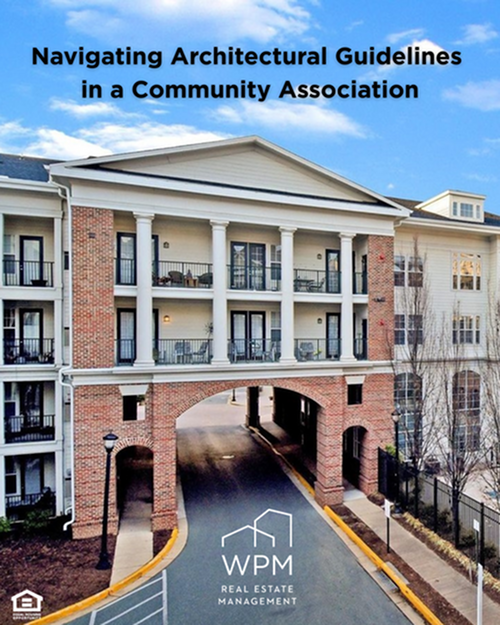
Living in a community association, such as a homeowners' association (HOA) or a condominium association, means adhering to certain architectural guidelines. These guidelines are in place to maintain the aesthetic and structural integrity of the community. While they can seem daunting, understanding and following these guidelines can help ensure compliance and harmony within the neighborhood. Understanding Your Documents   As a homeowner, it is important to thoroughly understand your community's governing documents. These documents outline what changes require approval from the association and the process for obtaining this approval. Often, homeowners may assume that certain modifications, especially those that seem minor or are within their unit, do not require notification. However, it's crucial to verify this assumption with your association or management company before making any changes. Failing to do so can lead to costly consequences if the modifications do not comply with the guidelines and need to be undone. The Importance of Communication For boards and architectural committees, clear and consistent communication with homeowners is key. At least annually, the board should remind homeowners of their responsibilities and the architectural guidelines they need to follow. This can be included in a move-in letter for new residents, highlighting critical aspects of the guidelines. Creating a separate, concise architectural guidelines document can significantly aid in this communication. Instead of homeowners having to sift through potentially hundreds of pages of legal documents, a brief synopsis outlining what modifications require approval, what is automatically approved, and any specific rules can be more user-friendly. For instance, if installing a clear glass storm door is allowed without approval, but other types require permission, this should be clearly stated in the guidelines. Consistent Enforcement Enforcement of these guidelines must be uniform to avoid any perception of favoritism or discrimination. The rules should be applied consistently, regardless of who is on the board or the architectural committee. This uniformity protects the board and the association from potential claims of discrimination or unfair treatment. If a homeowner installs a half screen that is against the guidelines, the board must enforce the removal of that screen, just as they would with any other homeowner, whether they are a friend or not. Legal Considerations Boards should be aware that homeowners can file complaints against the association if they believe the guidelines are being enforced unfairly. For instance, in some areas there are specific commissions on common ownership communities where such complaints can be filed. These commissions have the authority to reverse board decisions if they find that the guidelines were not enforced uniformly. There have also been instances where associations were sued under the Federal Human Relations Commission for discrimination. Navigating architectural guidelines in a community association requires both homeowners and boards to understand the rules. Boards must communicate these rules clearly and enforce them consistently. Clear and concise guidelines, applied uniformly, help maintain the community’s aesthetic integrity and ensure fair treatment for all residents. This approach protects the community from legal disputes and fosters a harmonious living environment.  

Read more
Understanding Condo and HOA Insurance-image

Are You Protected? Understanding Critical Elements of HOA and Condo Insurance   Navigating the complexities of insurance coverage for homeowner associations (HOAs) and condominium associations can be daunting. Both the association and individual homeowners need to ensure they are adequately protected. This requires a clear understanding of various insurance policies, regular annual reviews, and informed decision-making. Here's a quick guide to help you understand the essentials of HOA and condominium insurance.   Annual Review of Condominium Insurance Policies   It’s important for community associations to mitigate risk by reviewing their insurance policies annually. Doing so ensures that they maintain adequate coverage and stay updated on any changes or new requirements. Associations are responsible for restoring property to their original builder-grade condition after a disaster, regardless of the cause. Homeowners, in turn, are responsible for the association's deductible, which could be a sizable number. On top of that, without the right coverage, homeowners may find themselves responsible for additional, unanticipated costs. Regular policy reviews help avoid surprises and ensure that all parties are clear on their responsibilities.   Essential Types of Association Insurance   Property Insurance: Property insurance is issued to protect physical assets from damage caused by risks such as fire, flooding, weather and theft. However, without a clear understanding of what’s covered, associations and homeowners run the risk of leaving themselves holding the bag for additional costs associated with restoration, replacement and temporary relocation.   Directors and Officers (D&O) Insurance:  Most boards have D&O insurance that protects elected board members in the event they are sued for wrongful acts in managing the association. But what about non-elected board members, committee members, and management companies? Does it provide protection for non-monetary suits, which involve legal actions where the plaintiff seeks a decision or reversal rather than financial compensation? It's important to verify what your policy coverage includes.   Workers' Compensation Insurance : Even if the association has no employees, a blanket workers' comp policy is essential to cover volunteers working on behalf of the community association. For instance, if a volunteer is injured while helping with a community cleanup, the association might be liable for damages if they don’t have the right policy.   Fidelity Bonds and Riders : Standard fidelity bonds protect against theft by those within the association, but may not cover more sophisticated frauds like check alteration. Associations need to discuss these risks with their insurance agents and ensure their policies provide adequate protection. For example, an altered check can result in significant financial loss if not covered by an appropriate rider.   Homeowners’ Insurance and Responsibilities   Homeowners need to be fully aware of their insurance responsibilities. This is determined by the type of community you live in. As such, it's vital to understand that the type of association—condominium or HOA—is determined by the legal description in the documents created by the developer, not by the physical appearance of the property. This distinction affects insurance needs and responsibilities.   Living in a Condominium Community   In a condominium, the association is responsible for the exterior and common areas, while homeowners cover the interior and personal property. For example, if a pipe serving only your unit breaks, you are responsible for repairs, even if the pipe is hidden within walls or floors. Having an HO6 policy is essential for condominium owners to cover personal property and additional living expenses in case of a disaster.   Living in an HOA Community   In an HOA, homeowners are typically responsible for the entire structure and their property. If a common area tree falls on your house, you're responsible for the damage, even if the tree that fell was on association property. Policies that provide broader coverage, including the structure of the home and personal property, are either an HO1 or HO3 policy. Homeowners should speak to their agent to assess their needs and ensure proper coverage.   Regardless of the type of community, homeowners should fully understand what their policy covers, ensuring it includes relocation expenses should they need to vacate their home due to a disaster. Many homeowners mistakenly believe the association will cover these costs, but this is typically not the case.   Final Takeaways   It is crucial for boards and homeowners to meet regularly with their insurance agent to review and update policies. This ensures you have the proper coverage and are aware of any changes in regulations or risks.   For board members, understanding the full scope of your insurance and ensuring uniform enforcement of rules can protect against legal disputes and claims of discrimination. Homeowners should clearly understand their association type and the specific insurance policies required. Having the right coverage can save you from unexpected and significant financial burdens.   Whether you're a board member or a homeowner, staying informed and proactive about insurance is essential for protecting your investments and maintaining a healthy community.  

Read more