Posts about Multifamily

The Goldilocks Principle: Maintenance Advantages of the Right-Sized Property Management Company-image

For multifamily real estate owners and community association boards, selecting a property management firm can be quite an undertaking. It’s a fragmented market – everything from small, owner-operator managers with one or two employees who “do it all” to huge, national and international companies that manage billions of dollars of real estate and thousands of communities.  While there are pros and cons to each, one area that is often overlooked during due diligence in choosing a property manager is how a company’s size affects its maintenance operations.   Major national operators have untold lists of vendors, often vetted through a procurement process that can be bureaucratic. Depending on the location of the property or the type of service needed, vendor bids are reviewed and selected by individuals who may or may not have even stepped foot on the property. On the other end of the spectrum, small operators often lack the size to attract larger vendors or competitive pricing, opting to funnel work through a handful of smaller vendors they know, but who may or may not be best suited for the work.   Working with a regional management firm provides a sweet spot for communities who recognize the importance of maintenance operations in preserving the value of their assets and optimizing the return on their investment.   As a large, regional property management firm, WPM knows what it takes to attract and work with high quality vendors and how to maximize maintenance operations. Here are a few considerations and why size matters to your community’s maintenance operations (and bottom line!). Vendor Selection. No one wants to find out in the middle of a project that the company doing work on your community roof wasn’t insured properly or lacked appropriate licensing. So it’s important that your property management company has a fair and rigorous process for due diligence on vendors. WPM works with a reputable, third-party provider to vet prospective vendors, determine and track insurance verifications, assess fit for multifamily and/or association communities, and evaluate performance against our standards of excellence. Not all vendors are a fit for all property types. Only after a thorough review are vendors approved to be a preferred partner for one of our divisions and eligible to bid on projects for the communities we manage. Buying Power. Having a portfolio that represents a sizeable potential market to vendors provides a management company with access to a larger pool of high-quality vendors. This helps secure more competitive, bulk, and volume-based pricing. WPM’s size creates a spend that is large enough that vendors are willing to create discount pricing for things like flooring, cabinetry, fixtures, HVAC equipment and supplies, roofing, paint, landscaping materials, and so much more, because they know that over the course of the year we will purchase a significant volume across our communities. This means we’re not purchasing at retail rates, but rather securing lower commercial or hybrid rates, locking into a discounted rate for purchases made throughout the year. In the end, these savings benefit our clients, both financially and operationally, eliminating the need to inventory or store items in order to receive lower pricing.    Quality & Relationships. Size also affects the depth of relationships a company can have with its vendors. Does the company have a direct line to the vendor contact to resolve issues? While competitive pricing is important, having strong relationships with vendors who have mutual respect for quality work and a shared commitment to doing what’s right when things go sideways (which, unfortunately, they can sometimes do) can mean the difference between successful projects and costly re-work and blame games. WPM has spent decades building trusted relationships with preferred partners throughout the Mid-Atlantic region – from setting clear expectations for quality and service to ensuring fair pricing, accountability, and quick resolution to any issues. We have a shared goal to deliver exceptional value to the clients we serve. Staff & Contractor Management. How a property management company uses its team can provide insight into how well they optimize your maintenance budget. Do they try to keep everything in house, deferring maintenance projects they can’t get to? Or do they leverage outside contractors for time-consuming and specialty-skilled work? Bringing in a contractor to make sure work gets done properly can minimize the impact of delays and deferred maintenance. WPM’s team takes pride in carefully evaluating the work to be done and identifying the most cost-efficient and productive way to deliver quality results. In the end, this ensures the highest level of service for our clients.    Knowing how size can affect the way maintenance is handled for your property or community can be beneficial in selecting a property manager. What may appear relatively mundane or unimportant can actually have greater implications over time for the value of your property. In the end, size does matter. Take the time to really explore this aspect to ensure you have the right-sized management company to manage your community.   

Read more
The Critical Role of Leasing Associates in Multifamily Real Estate-image

  The multifamily real estate industry is a vast and dynamic field, and one of the critical roles within it is the Leasing Associate. Often referred to as a Leasing Specialist or Leasing Agent, these professionals are at the heart of property operations, acting as the frontline sales team that directly engages with potential residents. But what exactly does this role entail, and how can it be a steppingstone to a successful career in real estate?   The Role of a Leasing Associate Leasing Associates are the lifeblood of a multifamily property’s leasing efforts. Their primary responsibility is to nurture prospective resident inquiries, tour potential residents, showcase the property, and ultimately, sell the community to prospective tenants. In addition, Leasing Specialists are usually involved with the lease signing process as well as the move-in process. In many ways, they are the "face" of the property, the first point of contact for anyone interested in leasing a unit and tend to be the person that residents are most likely to communicate with throughout their residency   This role requires a unique blend of skills, with an emphasis on sales and customer service. A Leasing Associate must not only be personable and approachable but also have the sales expertise to showcase how their apartment community stands out from the competition. They need to understand what prospective residents are looking for and demonstrate how the property meets those needs.   Local Marketing: Beyond the Leasing Office While Leasing Associates spend much of their time in the leasing office, their responsibilities extend beyond the property’s walls. Leasing Specialists must develop expertise in the local market surrounding their apartment community, with a strong focus on understanding competitor properties. This includes researching competitors, both online and in person, to gain a clear understanding of how their community compares. Armed with this knowledge, Leasing Specialists can more effectively highlight the specific benefits of their apartment community to prospective residents.   Additionally, Leasing Specialists need to be familiar with the schools, higher education institutions, retail shopping, large employers, and small businesses located in the area surrounding their apartment community. Local marketing efforts are a significant aspect of the job, and Leasing Associates often participate in outreach activities to generate interest in the property. This could include attending housing fairs, promoting the property to local businesses, and even establishing partnerships with employers in the area to offer special deals to employees. These local marketing efforts complement larger-scale corporate marketing strategies and are essential for creating a personal touch that attracts prospective residents to specific properties.   Essential Skills and Qualifications To succeed in this role, Leasing Associates need a blend of soft and technical skills. People skills are paramount, as the job revolves around interacting with prospects and residents. Sales ability is equally critical, as Leasing Associates must be persuasive and able to overcome objections. Customer service experience is a valuable asset as it equips Leasing Associates with the skills to handle diverse customer interactions.   Leasing Associates must also maintain a professional appearance and demeanor, as they represent the property. Strong communication skills, both written and verbal, are necessary to engage with residents and prospects effectively. Additionally, familiarity with property management software and proficiency with computers are essential for handling applications, tracking leads, and preparing reports.   The Path to Growth While the Leasing Associate role is often seen as an entry-level position, it offers substantial growth opportunities within the multifamily real estate industry. Leasing Associates can advance to roles such as Leasing Manager, overseeing the leasing team at a larger property, or Assistant Property Manager, where they handle more operational responsibilities.   Leasing experience is invaluable for those looking to move into a Property Manager role, as it provides a deep understanding of resident interactions and day-to-day property operations. Property Managers oversee the entire property’s operations, including leasing, maintenance, and financial performance. While moving into property management may require a shift from the sales-focused nature of leasing, the skills developed as a Leasing Associate are foundational for a successful career in multifamily real estate management.   It’s not uncommon for some individuals to remain in the leasing field, finding satisfaction and success as long-term Leasing Managers. In larger properties, Leasing Managers play a critical role in driving leasing performance and resident satisfaction, often enjoying a rewarding compensation structure that includes commissions and bonuses.   Preparing for the Role of Leasing Associate For those interested in a position as Leasing Associate, there are several ways to prepare for the role. Many candidates come from retail sales or customer service backgrounds, where they’ve developed the interpersonal and problem-solving skills needed for success in leasing. More colleges are now offering courses and even degrees in property management, providing a formal education path for those interested in real estate careers.   Training programs, such as those offered by the National Apartment Association, Institute of Real Estate Management, Maryland Multifamily Housing Association, and other industry organizations, can also be an excellent way to gain the necessary skills and find entry-level opportunities. These programs often provide participants with knowledge of leasing fundamentals, fair housing laws, and marketing strategies.   Is Leasing Right for You? For individuals with strong sales skills, a passion for real estate, and a desire to work in a fast-paced, people-focused environment, becoming a Leasing Associate can be a fulfilling and rewarding career choice. Whether it’s an initial step to a higher-level property management role or a long-term position in the leasing field, this role provides valuable experience and exposure to the multifamily real estate industry.   With opportunities for career growth, competitive compensation structures, and the chance to make a tangible impact on a property’s success, the Leasing Associate role is an excellent entry point for anyone looking to build a career in real estate.  

Read more
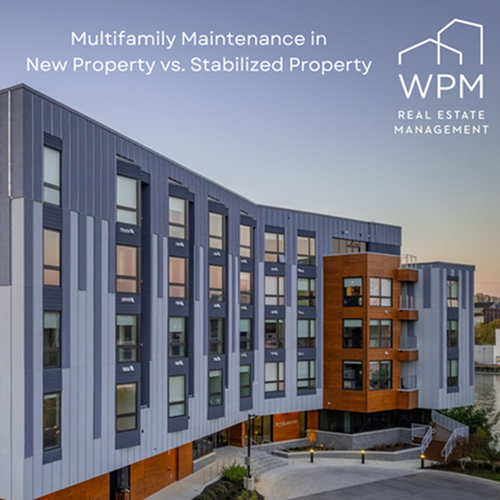
Multifamily Maintenance in New Property vs. Stabilized Property-image

  Tackling Multifamily Maintenance:  New vs. Stabilized Properties   In the dynamic world of multifamily housing, the approach to maintenance can vary significantly between new construction properties and stabilized communities. Each setting presents unique challenges and priorities that property managers and maintenance teams must address effectively. Let's dive into the distinctive aspects of maintenance in these two contexts:   New Construction Properties   Customer service takes center stage in new construction properties. A positive resident experience is paramount for garnering good reviews and ensuring successful lease-ups. Maintaining an outward facing, engaging, and helpful demeanor builds trust and fosters strong relationships with residents. From resolving issues promptly to providing a smiling face, the maintenance team plays a crucial role in creating a welcoming environment.   Managing trash is a significant operational task in new communities, especially during move-ins when boxes can overwhelm trash systems. Implementing effective box removal schedules not only eases the process for residents but also ensures proper recycling practices. Coordinating with contractors is another key aspect, involving acceptance of units, appliances, and products, as well as managing warranties during the first few years.   One area you might not think about being an issue is light bulb management! With so many bulbs going in at once it’s only natural that a certain percentage will fail early. This becomes a strategic consideration, with bulk purchases and calculations to minimize replacements. Balancing these tasks amid a flurry of activities requires meticulous planning and execution from the maintenance team.   Stabilized Properties   Stepping into a more mature, stabilized, community brings a different set of maintenance challenges. Addressing deferred maintenance issues that may have accumulated over years becomes a priority. From preventive maintenance to handling cyclical or seasonal tasks, such as aging water heaters or HVAC system issues, the focus shifts to proactive upkeep.   Trash management evolves into handling move-outs and potential evictions, requiring a different approach compared to what’s needed at newly constructed communities. However, customer service remains crucial, albeit with a more predictable set of challenges. The team's expertise in addressing aging infrastructure and systems becomes paramount, emphasizing the need for seasoned maintenance professionals.   Matching staffing to maintenance needs is vital. In a lease-up scenario, a maintenance technician doesn’t need years of experience in the industry, but they do need to be knowledgeable with a polished, customer service-oriented approach. Whereas in a stabilized community, seasoned personnel with well-rounded experience who are capable of handling complex maintenance issues are indispensable.   Ultimately, navigating multifamily maintenance involves tailoring strategies to the specific stage and condition of the property. Whether it's the dynamic environment of new construction or the ongoing upkeep of a stabilized community, effective maintenance practices ensure resident satisfaction and greater operational efficiency.

Read more
Preventative Maintenance Tips-image

Six Tips for Preventive Building Maintenance     Preventive maintenance is an essential part of property management, ensuring buildings last longer and work better, whether they are multifamily complexes or condominiums. Taking care of both the building envelope – roofs, walls, and exterior components – and proactively monitoring central systems can help extend the life of a property and avoid unexpected problems. Here are a few fundamental tips that should be part of every community’s preventive maintenance practices:   Observe Changes. Start with simple yet effective steps of paying close attention to the roofline, gutters, downspouts, and shingles. Addressing clogged gutters or misdirected downspouts can prevent water damage and ensure proper drainage away from the building.   Protect Pipes . Combat freezing temperatures by maintaining pipes and ensuring adequate heating throughout the property. Address leaks promptly to prevent water intrusion, which can lead to significant structural issues over time.   Maintain HVAC Systems. Regularly changing HVAC filters is a simple yet impactful measure to extend the system's lifespan. What’s more, it can improve energy efficiency and enhance indoor air quality.   Monitor Safety Systems. Monitor safety systems such as smoke detectors, fire pump systems, sprinklers, and door security. Proactive examination of these systems ensures that they function optimally, enhancing overall building operation and safety.   Be Proactive. Adopt a proactive rather than reactive approach to maintenance. Pay attention to minor issues and signs that may indicate potential problems. Addressing these early can prevent larger issues and costly repairs down the line.   Schedule Inspections. Implement quarterly walks coupled with safety inspections. These inspections should include filter changes, smoke alarm checks, leak assessments, and overall system evaluations. Catching issues early can prevent escalation and minimize disruptions to residents.   While it may sound simple, taking these few key steps can help identify potential problems early and limit exposure to bigger maintenance problems. Managers who proactively prioritize preventive maintenance not only help protect property values, they also create a reliable and comfortable environment for residents. 

Read more
The Role of a Multifamily Real Estate Property Manager-image

  The Unsung Heroes of Multifamily Real Estate: The Role of a Property Manager In the multifamily real estate industry, property managers are the linchpins that hold communities together. They are the ones who ensure that residents are happy, buildings are maintained, and financial goals are met. But what exactly does the role entail, and why is it so crucial?   A Day in the Life   A typical day for a Property Manager is anything but typical. They juggle a myriad of tasks, from overseeing maintenance to managing financials and ensuring smooth operations. Their day often starts with walking the property, checking for issues, and liaising with maintenance staff. They must be ready to handle emergencies promptly, whether it’s a burst pipe or a resident locked out of their apartment.   Property managers also play a significant role in leasing. They supervise the leasing processes, review rent decisions, and ensure compliance with Fair Housing laws. Their involvement doesn't stop there; they also create and execute retention strategies to optimize occupancy and initiate eviction proceedings when necessary.   The People Business At its core, property management is a people business. Successful property managers understand the importance of taking care of residents and team members. They are the decision-makers on the property, closest to the day-to-day operations and the people who make the community thrive. Their ability to manage relationships with residents, staff, and vendors is critical. They maintain excellent communication, ensuring residents feel confident in their homes.   ---------------- “As a property manager, you never know what challenges the day may bring. Each day is different. What makes the role so special is being able to work with people, earn their trust, and create a fun and well-managed community for them to call home.”  – Danitza Diaz, Senior Property Manager, WPM Real Estate Management ----------------   Financial Stewardship Managing a property is not just about people; it’s also about financial stewardship. Property managers are responsible for managing budgets, approving expenditures, and ensuring financial documents are in order. They review financial reports monthly and speak to any variances, making sure the property operates within its budget. This financial acumen is vital for the property's profitability and the owner's satisfaction.   Skills and Experience To excel as a property manager, a mix of skills is required. Strong customer service skills, an analytical mindset, and some property management experience are essential. While a college degree is not mandatory, having worked in roles such as leasing associate or assistant property manager can be beneficial. Property Managers need to be open-minded, willing to learn, and capable of managing both people and processes.   The property manager role also demands excellent people management skills. Property managers must set clear performance objectives, support staff in achieving their goals, and foster a team-oriented environment. Emotional intelligence and being conscious of the individual needs of their team members is important to helping each one realize their full potential.   Career Growth The multifamily real estate industry offers numerous career growth opportunities. Many property managers start as leasing associates, the front-line sales team members who tour prospects and sell the property. From there, they may move up to assistant property manager, where they focus more on back-office operations including renewals, retention, and collections, before stepping into the property manager role.   Experienced property managers have multiple career path opportunities. They may become a senior property manager, overseeing multiple properties, or they may choose to specialize in an area such as marketing, training, or asset management. For those who excel in the role, becoming a regional property manager is a natural progression, involving strategic oversight of multiple properties.   ---------------- "I've worked across various industries, but I never anticipated that property management would become such a transformative opportunity for me. I began my journey as a concierge, and now, I'm the property manager of a luxury apartment community. This role demands a diverse set of skills and responsibilities, and I am incredibly proud of how far I've come."  – Laura Vianna Voso, Property Manager, WPM Real Estate Management ---------------- The Rewards While the role of a property manager can be stressful and demanding, it is also incredibly rewarding. The ability to affect residents' lives positively, make their homes happy places, and receive their gratitude is fulfilling. Property managers develop a broad skill set, including finance, operations, customer service, and leadership. They learn to manage complex situations and develop a high level of resilience.   Getting Started For those interested in property management, there are various ways to get started. Many enter the field from different backgrounds, such as customer service, retail sales, and even banking and finance. Some colleges and universities have begun to offer education in the real estate management field. Training programs, like those offered by the National Apartment Association, Institute of Real Estate Management, Maryland Multifamily Housing Association, and other industry organizations, also provide a pathway for those new to the industry.   Ultimately, the role of a property manager in the multifamily real estate industry is multifaceted and essential to creating great places for people to live and work. It requires a blend of people skills, financial acumen, and operational expertise. For those who thrive in a dynamic, people-focused environment, it can be a highly rewarding career with plenty of opportunities for growth and development.   Interested in joining the team at WPM? Check out our current career opportunities .  

Read more
Early Engagement of a Property Management Firm in Multifamily Development-image

Why a Property Management Firm Is Essential to Multifamily Property Development   When it comes to developing multifamily properties, the importance of early engagement with a property management firm cannot be overstated. This strategic partnership ensures that the end result is both attractive and functional for residents. Let’s explore how involving property management from the outset can be a game-changer for multifamily developers.   Resident-Centric Design   Property managers bring a unique perspective to the table by evaluating designs from the lens of a resident. They focus on how residents will perceive and interact with the space on a daily basis.  Property managers also bring focus to how a resident accesses the building and, equally important, how to prevent access to non-residents. From virtual walkthroughs to analyzing floor plans, property managers assess critical aspects such as accessibility to amenities, placement of utilities like trash cans and recycling bins, and the overall flow of the living space.   Consider a scenario where the architect planned closet doors to swing out in smaller units. A property manager's insight might highlight the need for sliding closet doors to accommodate essential furniture like nightstands, enhancing the livability of the space. These nuanced adjustments can significantly impact resident satisfaction and comfort.   Marketability and Flexibility   Engaging property management early also ensures a more marketable product. By understanding diverse resident preferences, management firms can advise on design elements and issues that appeal to a broader audience. For instance, in a community with varying needs, suggesting a mix of townhomes with and without garages can enhance market penetration and cater to different lifestyle preferences.  Some prospective residents may prefer the garage for additional storage while others may prefer additional conditioned space, in lieu of the garage, for a den or home office.      Early collaboration also fosters flexibility in design choices. Management firms can anticipate operational challenges and suggest solutions during development. These can include optimizing systems for trash disposal and considering maintenance access points, as well as placement of mailboxes to ensure USPS requirements for access and design are met. Addressing these issues early mitigates future operational hurdles over the lifetime of the property.   Cost-Efficiency and Risk Mitigation   One benefit of engaging early with property managers is more cost-efficient design decisions. Identifying potential maintenance issues upfront, such as inaccessible water supply lines or impractical appliance placements, prevents costly change orders down the line. Understanding and anticipating resident needs can help developers ensure that the property is not just aesthetically pleasing but also functional, reducing the likelihood of resident complaints and turnover.     Holistic Approach to Project Management   Beyond design input, property managers contribute to a holistic approach to project management. They help ensure small details that can have a big impact on residents aren’t overlooked. For instance, developments that include the creation of new roads not only require registration of road names with the municipality, but also with online resources such as Google maps. Miss this step and new residents may become frustrated when delivery and transportation services cannot find their location.   Property management firms help integrate marketability, branding, and operational strategies into the development process, aligning the project's goals with resident expectations and industry standards. This comprehensive approach ensures a smooth transition from concept to delivery and seamless ongoing management post-construction.   Ensuring Long-Term Sustainability   By challenging architects and design teams, property management firms advocate for long-term sustainability. They prioritize not just visual appeal but also durability and functionality, ensuring that the property remains attractive and operational for years to come. This proactive approach minimizes future maintenance issues and reinforces the property's value proposition.   In the end, making a strategic investment upfront to engage property managers early in the development process can yield multiple, long-term benefits. From enhancing resident satisfaction and marketability to reducing costs and ensuring long-term operability, this collaborative approach sets the stage for successful property development, efficient ongoing management, and resident appeal and satisfaction. By bridging the gap between design vision and resident experience, management firms can play a pivotal role in shaping thriving communities.   For more information about WPM’s pre-development consulting services, email us at  [email protected] .  

Read more