

 Tips for Winterizing Your Home
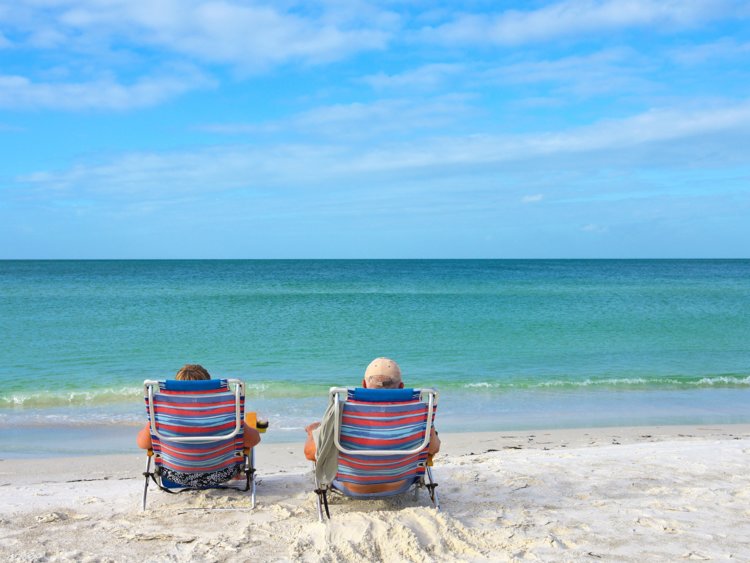
Every year, as autumn’s Technicolor brilliance fades into winter’s gray and white, a great migration occurs: “Snowbirds” head south for the winter! And if you’re among these sun-seeking (mostly) retirees, you know that preparing your home for its “hibernation” takes preparation. Here are some tips for winterizing your home, so that it can weather the cold months ahead and welcome you back again, in the spring.
- Protect Your Pipes
WPM President of Commercial Management and Construction Services, Mike Klein, advises you to completely turn off all water-using systems. This includes the washing machine, dishwasher, hot water tank and ice maker. You may also consider having your water supply completely turned off. If, however, you opt to keep your water supply on, be certain to leave your furnace on so that your home’s plumbing remains relatively warm to keep pipes from freezing and bursting.
“I strongly advise residents to set their home’s temperature no lower than 60 degrees,” says Klein. “I have experience with many residents who set the thermostat at 40 or 50 degrees, thinking that they were saving money and energy. Their homes’ pipes ended up getting too cold and burst, causing a great deal of damage.”
Other safeguards to consider for your plumbing are a water flow sensor and a low-temperature sensor. These sensors can relay information to a 24-hour alarm center or can even be monitored right on your smart phone. An alarm notifies you about freezing pipes in time to do something about them, before the problem becomes far more costly.
- Protect Your Home
A vacant home is a vulnerable home. Burglars and vandals are keen to the signs that show that no one is home. That’s why it’s key to make sure that your home looks continuously occupied.
First, make sure to address obvious signs that the home is vacant: stop all mail and newspaper deliveries. Contract with a snow removal company to clear your sidewalk and driveway whenever it snows. Klein also suggests programming several of your interior house lights with five-position auto-timers, to turn lights on and off throughout the day, giving your home the illusion of continuous residence.
A good alarm system and sturdy door dead bolts are also essential for safeguarding an unoccupied home. Before you leave town, be certain to test that all alarm systems are functioning and have been activated.
- Perform Routine Maintenance
Murphy’s Law states that anything that can go wrong, will go wrong. That’s a good adage to remember when preparing to leave your home! Help your home avoid unforeseen issues by proactively performing routine maintenance. Have your furnace inspected and serviced before you leave. Ensure that your electrical system is functioning properly. Remove dead trees or low-hanging branches that are near your home. Clear the gutters and drains of debris to reduce snow and ice build-up. Replace the batteries on all smoke detectors. If you’ve been putting off small house projects, tackle them before you leave for the winter.
- Prepare for Emergencies
No matter how carefully you protect and maintain your home, emergencies may still arise. These can range from catastrophes—such as fires, burst water pipes, flooding, fallen trees and natural weather disasters—to less urgent mishaps.
Klein advises homeowners to designate a trusted friend or neighbor, or to hire a property management company, to be your onsite contact. Give them access to your home, so that they can regularly monitor its heating, electrical and water systems.
With their help and your careful preparation, your home will be waiting for you, as you left it, when you migrate northward once again.