Posts about Associations

Understanding Condo and HOA Insurance-image

Are You Protected? Understanding Critical Elements of HOA and Condo Insurance   Navigating the complexities of insurance coverage for homeowner associations (HOAs) and condominium associations can be daunting. Both the association and individual homeowners need to ensure they are adequately protected. This requires a clear understanding of various insurance policies, regular annual reviews, and informed decision-making. Here's a quick guide to help you understand the essentials of HOA and condominium insurance.   Annual Review of Condominium Insurance Policies   It’s important for community associations to mitigate risk by reviewing their insurance policies annually. Doing so ensures that they maintain adequate coverage and stay updated on any changes or new requirements. Associations are responsible for restoring property to their original builder-grade condition after a disaster, regardless of the cause. Homeowners, in turn, are responsible for the association's deductible, which could be a sizable number. On top of that, without the right coverage, homeowners may find themselves responsible for additional, unanticipated costs. Regular policy reviews help avoid surprises and ensure that all parties are clear on their responsibilities.   Essential Types of Association Insurance   Property Insurance: Property insurance is issued to protect physical assets from damage caused by risks such as fire, flooding, weather and theft. However, without a clear understanding of what’s covered, associations and homeowners run the risk of leaving themselves holding the bag for additional costs associated with restoration, replacement and temporary relocation.   Directors and Officers (D&O) Insurance:  Most boards have D&O insurance that protects elected board members in the event they are sued for wrongful acts in managing the association. But what about non-elected board members, committee members, and management companies? Does it provide protection for non-monetary suits, which involve legal actions where the plaintiff seeks a decision or reversal rather than financial compensation? It's important to verify what your policy coverage includes.   Workers' Compensation Insurance : Even if the association has no employees, a blanket workers' comp policy is essential to cover volunteers working on behalf of the community association. For instance, if a volunteer is injured while helping with a community cleanup, the association might be liable for damages if they don’t have the right policy.   Fidelity Bonds and Riders : Standard fidelity bonds protect against theft by those within the association, but may not cover more sophisticated frauds like check alteration. Associations need to discuss these risks with their insurance agents and ensure their policies provide adequate protection. For example, an altered check can result in significant financial loss if not covered by an appropriate rider.   Homeowners’ Insurance and Responsibilities   Homeowners need to be fully aware of their insurance responsibilities. This is determined by the type of community you live in. As such, it's vital to understand that the type of association—condominium or HOA—is determined by the legal description in the documents created by the developer, not by the physical appearance of the property. This distinction affects insurance needs and responsibilities.   Living in a Condominium Community   In a condominium, the association is responsible for the exterior and common areas, while homeowners cover the interior and personal property. For example, if a pipe serving only your unit breaks, you are responsible for repairs, even if the pipe is hidden within walls or floors. Having an HO6 policy is essential for condominium owners to cover personal property and additional living expenses in case of a disaster.   Living in an HOA Community   In an HOA, homeowners are typically responsible for the entire structure and their property. If a common area tree falls on your house, you're responsible for the damage, even if the tree that fell was on association property. Policies that provide broader coverage, including the structure of the home and personal property, are either an HO1 or HO3 policy. Homeowners should speak to their agent to assess their needs and ensure proper coverage.   Regardless of the type of community, homeowners should fully understand what their policy covers, ensuring it includes relocation expenses should they need to vacate their home due to a disaster. Many homeowners mistakenly believe the association will cover these costs, but this is typically not the case.   Final Takeaways   It is crucial for boards and homeowners to meet regularly with their insurance agent to review and update policies. This ensures you have the proper coverage and are aware of any changes in regulations or risks.   For board members, understanding the full scope of your insurance and ensuring uniform enforcement of rules can protect against legal disputes and claims of discrimination. Homeowners should clearly understand their association type and the specific insurance policies required. Having the right coverage can save you from unexpected and significant financial burdens.   Whether you're a board member or a homeowner, staying informed and proactive about insurance is essential for protecting your investments and maintaining a healthy community.  

Read more
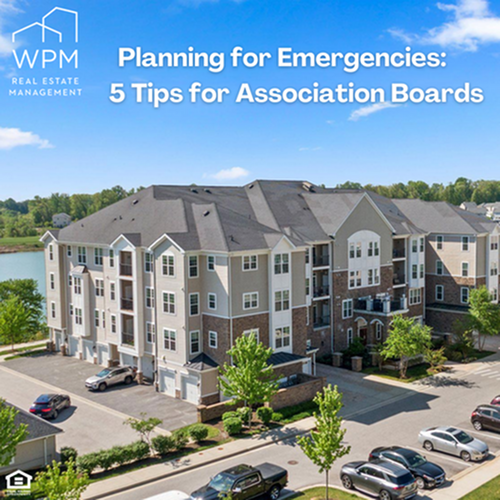
Planning for Emergencies: 5 Tips for Association Boards-image

One of the responsibilities of a community association board is preparing for emergencies, ensuring that the residents of the association are provided clear communications before an emergency arises. For associations that govern communities with high-rise and mid-rise buildings, the need to be proactive is even greater. Here are five tips for community association boards to explore as part of their emergency preparation planning:   Practice for Emergencies. While fire drills are commonplace in schools and businesses, they are noticeably absent in community associations. This oversight poses a significant risk, as residents may be ill-prepared to evacuate safely in the event of a fire or other emergencies. Implementing regular drills, even on an annual basis, can familiarize residents with evacuation procedures and meeting points, ensuring a swift and organized response when faced with a crisis.   Gather Accurate Resident Information . In an emergency, having comprehensive information readily available for first responders is of paramount importance. Knowing the specific number of residents in each unit, their contact details, and emergency contacts can facilitate efficient evacuation and accountability during crises as well as assist first responders. While such information may already be mandated in community documents, the lack of enforcement or willingness of residents to share complete information could make it difficult in an emergency. Boards need to inform homeowners about its significance and work to ensure they have accurate information on file for all of the community’s residents.   Educate Owners About Resources. In addition to conducting drills and gathering resident information, disaster preparedness should extend to individual households. Boards can help homeowners by making them aware of resources from organizations like Homeland Security , which outline essential items for emergency preparedness, including a "go bag" containing important documents. Encouraging families to discuss and plan for emergencies, emphasizing designated meeting points, and prioritizing essential items for evacuation can mitigate panic and confusion during crises.   Prompt Owners to Notify Management. One of the benefits of a condominium or homeowner association is the shared responsibility for some aspects of the community. Prompt notification to the community management company in the event of damage to a unit, such as flooding or a fire, allows for swift action and prevents unnecessary delays or complications in resolving the crisis. Depending on the specific covenants and restrictions, restoration and repairs may be the community’s responsibility. What’s more, the management company may have a team or relationship with a vendor who can respond quickly and ensure the safety of all residents in the community.   Be Prepared to Lead. Board members should be prepared to take on additional responsibilities during mass evacuations, recognizing that management personnel may be preoccupied with securing their own families and properties. Proactive measures, such as personally notifying residents and assisting with evacuation efforts, demonstrate leadership and foster community resilience in challenging times.   While disasters and emergencies are never experiences we want to expect, being prepared can make all the difference. By taking the initiative to prioritize safety and resilience, communities can effectively navigate emergencies and safeguard the well-being of their residents. 

Read more
The Role of Tech in Community Association Management-image

In today's fast-paced world, technological innovations have changed how homeowner and condominium associations connect with those living in, governing, and managing their communities. Implementation of new technologies has transformed communication, while also ushering in a new era of accessibility and transparency.   One of the most prominent trends in community communication is the adoption of various broadcast mediums such as emails and text messages. These platforms enable management companies to disseminate important information swiftly, reaching homeowners in a timely manner. Moreover, the emergence of AI and web portals has revolutionized the way homeowners access documents, meeting minutes, and financial records. Now, residents can conveniently retrieve necessary information with just a few clicks or even through AI-driven text responses.   The integration of AI into management processes represents a monumental shift in how associations operate. By leveraging AI, management companies can automate responses to homeowner queries, ranging from account balances to work order submissions, thereby eliminating the need to wait for traditional office hours. This not only enhances efficiency but also fosters better transparency between boards, management companies, and homeowners. Access to vital information is no longer restricted to office hours; instead, it's available round the clock, empowering homeowners with unparalleled convenience and autonomy.   The COVID-19 pandemic catalyzed another significant change for community associations with the widespread adoption of remote meetings. Initially necessitated by safety concerns, virtual meetings have since become a staple in community engagement. Surprisingly, these remote gatherings have seen a staggering increase in participation rates, debunking concerns about technology proficiency among older demographics. Homeowners now have the flexibility to join meetings from the comfort of their homes, multitasking as they cook dinner or chauffeur their kids to extracurricular activities.   The enduring popularity of virtual meetings underscores their effectiveness and accessibility. Not only do they accommodate the lifestyles of snowbirds and frequent travelers, but they also democratize participation, ensuring that geographical constraints no longer dictate engagement levels. Whether it's a bustling summer in Florida or a tranquil winter retreat, homeowners can stay informed and engaged with their community affairs, thanks to the convenience of virtual meetings.   New technologies have helped propel associations towards a future defined by accessibility, transparency, and inclusivity. From AI-driven portals to virtual meetings, these innovations have redefined the dynamics between boards, management companies, and homeowners, paving the way for more connected and informed communities. 

Read more
Preventative Maintenance Tips-image

Six Tips for Preventive Building Maintenance     Preventive maintenance is an essential part of property management, ensuring buildings last longer and work better, whether they are multifamily complexes or condominiums. Taking care of both the building envelope – roofs, walls, and exterior components – and proactively monitoring central systems can help extend the life of a property and avoid unexpected problems. Here are a few fundamental tips that should be part of every community’s preventive maintenance practices:   Observe Changes. Start with simple yet effective steps of paying close attention to the roofline, gutters, downspouts, and shingles. Addressing clogged gutters or misdirected downspouts can prevent water damage and ensure proper drainage away from the building.   Protect Pipes . Combat freezing temperatures by maintaining pipes and ensuring adequate heating throughout the property. Address leaks promptly to prevent water intrusion, which can lead to significant structural issues over time.   Maintain HVAC Systems. Regularly changing HVAC filters is a simple yet impactful measure to extend the system's lifespan. What’s more, it can improve energy efficiency and enhance indoor air quality.   Monitor Safety Systems. Monitor safety systems such as smoke detectors, fire pump systems, sprinklers, and door security. Proactive examination of these systems ensures that they function optimally, enhancing overall building operation and safety.   Be Proactive. Adopt a proactive rather than reactive approach to maintenance. Pay attention to minor issues and signs that may indicate potential problems. Addressing these early can prevent larger issues and costly repairs down the line.   Schedule Inspections. Implement quarterly walks coupled with safety inspections. These inspections should include filter changes, smoke alarm checks, leak assessments, and overall system evaluations. Catching issues early can prevent escalation and minimize disruptions to residents.   While it may sound simple, taking these few key steps can help identify potential problems early and limit exposure to bigger maintenance problems. Managers who proactively prioritize preventive maintenance not only help protect property values, they also create a reliable and comfortable environment for residents. 

Read more
Reserve Funding: Protecting Your Community Association's Future-image

Reserve studies funding might sound like a mundane administrative task for community associations, but its implications reach far beyond the boardroom. In fact, failing to properly fund reserves can have significant legal, fiduciary, and financial repercussions, affecting not only the association's operations but also homeowners' ability to navigate crucial financial matters like refinancing or selling their properties.   In states like Maryland, the law mandates that community associations must fund their reserves per their current reserve study which must be updated every 5 years. This legal requirement serves as a safeguard, ensuring that communities maintain financial health and are prepared for future expenditures. Board members have a fiduciary responsibility for understanding their long-term needs and adequately funding their reserves.   From an owner's perspective, the consequences of underfunded reserves can be significant. It can affect a homeowner’s ability to secure insurance coverage, refinance, or sell a property. Mortgage lenders, including FHA, Fannie Mae, and Freddie Mac, often require a minimum percentage of the budget be allocated to reserves, typically around 10%. Failure to meet this requirement can restrict homeowners’ access to loans and impact property values, creating frustration among homeowners.   For Board Members, fulfilling reserve funding obligations goes beyond legal compliance—it's a fiduciary duty. Properly funded reserves ensure the maintenance of common elements and facilities, preserving property values and community satisfaction. Neglecting this responsibility can lead to community dissatisfaction, especially when it results in unexpected major assessments, as well as difficulties securing community loans or insurance.   Beyond the potential legal ramifications, a lack of reserve funding disrupts the equilibrium between long-standing and new residents, shifting the burden of maintenance costs unfairly. New homeowners may find themselves shouldering the financial responsibilities neglected by previous residents, creating frustration within the community.   Moreover, inadequate funding can impede necessary repairs or renovations, leading to further deterioration of common areas. This not only diminishes the quality of life for residents but also undermines the attractiveness of the community to potential buyers, in turn reducing property values.   Regularly analyzing a community’s assets and capital improvement needs and properly funding reserves is more than just a financial obligation; it's a cornerstone of responsible governance and community stewardship. By prioritizing proper funding, boards uphold their legal obligations, fulfill their fiduciary duties, and foster a thriving environment for homeowners. Ultimately, ensuring sufficient reserve funding isn't just about compliance—it's about securing the future of the community association and the well-being of those who call it home.

Read more
ARE 10 Tips to Assess Financial Health-image

Managing the financial health of an association requires diligence, foresight, and a commitment to best practices. Whether you're a seasoned board member or newly appointed, ensuring your association's financial stability is paramount to its long-term success. Here are ten tips to guide associations in navigating their financial landscape:   Evaluate Yearly Performance. Take stock of your association's financial performance on a year-to-year basis. Are you consistently ending the fiscal year with a budget surplus or facing losses? Identifying trends can help pinpoint areas for improvement and form future budgetary decisions.   Prioritize Expense Management . Community association budgets are primarily expense-driven. When crafting budgets, focus on scrutinizing expenses first. While it may be tempting to avoid increasing assessments, neglecting to adjust for inflation or rising costs can lead to financial strain in the long run.   Avoid Unrealistic Budgeting . Beware of passing unrealistic budgets that fail to accurately reflect the association's actual expenditures. Cutting essential services or amenities to artificially lower assessments can compromise the community's well-being and lead to dissatisfaction among residents.   Implement Incremental Assessment Increases. Embrace best practices by incrementally increasing assessments by 2-3% annually. This proactive approach ensures that your association stays ahead of inflation and maintains sufficient revenue to meet its financial obligations.   Fund Reserves Adequately. Prioritize funding reserves in accordance with state laws and reserve study recommendations. Adequate reserves are essential for addressing deferred maintenance, unforeseen repairs, and capital improvements without resorting to special assessments or loans.   Be Cautious About Deferring Maintenance . Budgets and reserves should be structured to cover routine upkeep as well as long-term capital projects. Are you deferring regular maintenance due to lack of funds? This not only may be a sign of poor financial health for an Association, it can also lead to more significant issues and increased costs down the line.     Review Monthly Financials . Actively engage with your association's financial statements on a monthly basis. Don't hesitate to ask questions and seek clarification from your management company or financial professionals. Regular monitoring can help identify potential issues early on and allow for timely adjustments.   Maintain Adequate Cash Reserves . Aim to maintain a minimum of two months' worth of assessments in your association's bank account at the end of each month ( after paying that month’s expenses). Building up cash reserves provides a financial buffer against unexpected expenses, delinquencies, or revenue shortfalls.   Monitor Equity and Retained Earnings. Keep a close eye on your association's equity, or retained earnings, and aim for a balance equivalent to 10-20% of your annual assessments. Healthy equity levels indicate financial stability and provide reassurance to stakeholders.   Seek Professional Guidance When Needed. When in doubt, seek out assistance from your community manager or other financial experts specializing in community associations. Their insights and guidance can be valuable in understanding your association’s financial position and helping navigate complex financial matters.   Ultimately, prioritizing the financial health of your association is crucial for its sustainability and long-term viability. By following these tips and maintaining focus on financial management, associations can thrive and fulfill their mission of serving their communities effectively.

Read more