
Posts about Associations

Disasters will Happen. Are you Prepared?-image

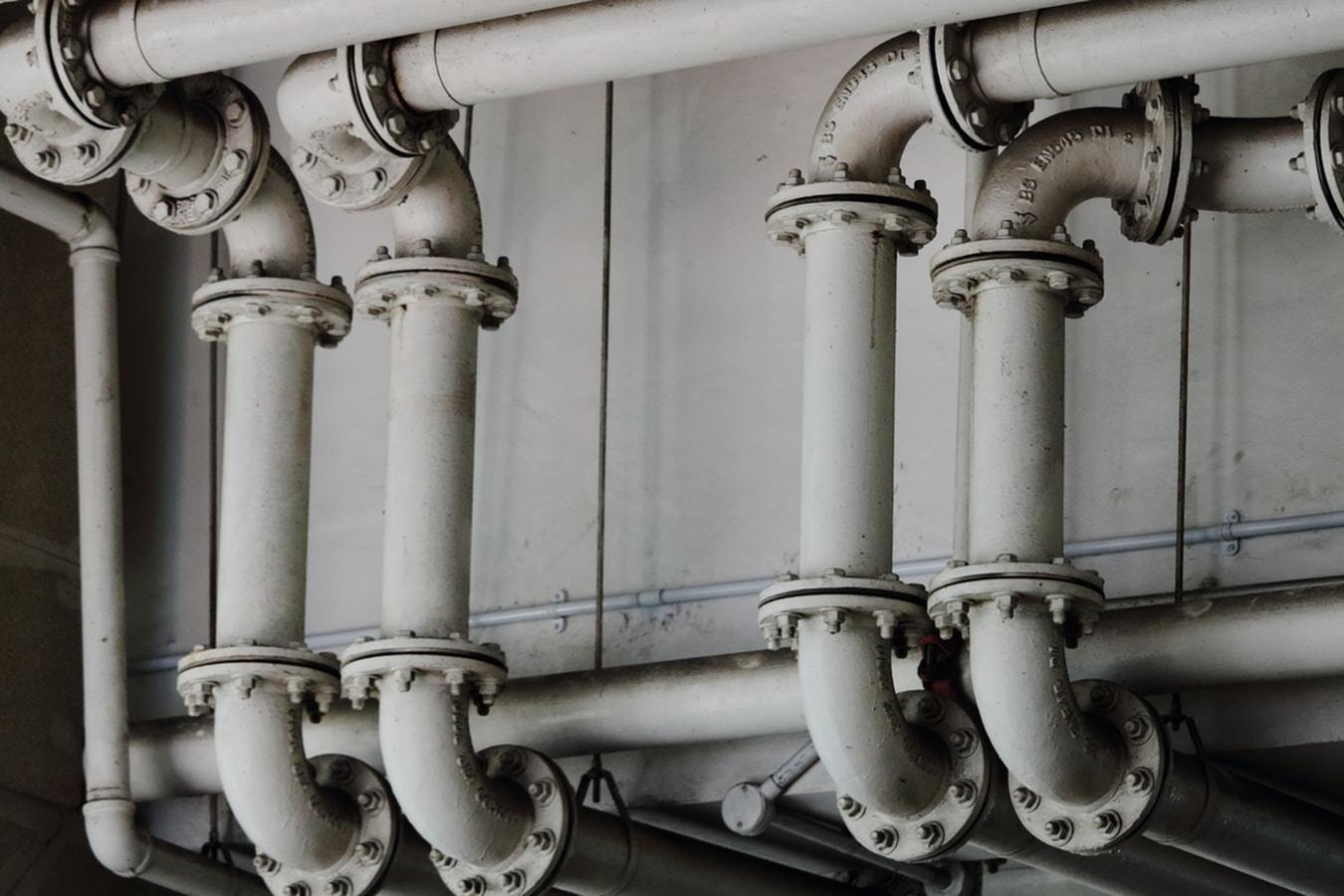
There are two kinds of disasters: the kind that are inevitable and the kind that  might  happen. With natural hazards, like lightening, high winds, and flooding, the question is not “if,” but “when” they will happen. But fires, earthquakes, civil unrest and many other catastrophes may or may not happen… to  you . Unfortunately, when it comes to disasters, there is no “never” category, so it’s always a good idea to prepare for the worst. Proactive property managers create emergency response and emergency restoration plans. But creating the plan is only half of the job. “If you have a plan, and it’s not updated and practiced regularly, that could be just as bad as having no plan at all,” explains WPM President of Commercial Management and Construction Services, Mike Klein. “Managers may develop a false sense of security, thinking that they have a book of instructions ready to go in the event of an emergency. But what if the emergency personnel phone numbers have changed? …or a recommended vendor is no longer in service? …or the person with the key to the water shut-off room isn’t accessible? Do you have a ‘Plan B’?” Clearly it is the job of the manager to ensure that the emergency preparedness plan is thoroughly updated and meticulously well-rehearsed. WPM property managers have years of experience tackling the tasks of preventing and recovering from disasters. As a result, they have amassed extensive experience with emergencies across many building types and geographic locations. Below is a list of some of their most important ‘do’s and don’ts’ for disaster response planning and remediation. Prepare for the worst.  Managers often prepare for routine smaller emergencies, such as flooding or electrical outages, but they balk at devoting time to preparing for something catastrophic. Regardless of how unlikely a major event may seem, it is imperative to prepare for the worst. Your team is your most valuable resource for citing potential problems and developing appropriate solutions. Walk your team through your buildings, inviting their recommendations and adjusting the plan based on their feedback. Plan for the Unique Challenges of Your Location . Consider the unique challenges your property could encounter, particularly regarding its water and power supply. Do you have a generator powerful enough to run your essential equipment for an extended amount of time? Have you considered risks to your water supply and developed a solution for each contingency? Verify the Supplies.  Ensuring that the supplies necessary for an emergency response are in place and in adequate condition is a task that requires ongoing attention. Materials can “walk away”, either through theft or as they become cherry-picked for other projects at the property. That is why managers ought to conduct periodic assessments of emergency response supplies. Verify the Personnel.  Managers often poll their employees to see who can stay in the event of an emergency. But be wary of putting your faith in the results of this poll; it is one thing for someone to say they will stay or show up when the sky is blue, but quite another for them to stay when a storm is raging or when they receive a phone call in the middle of the night. Things happen. People have families and homes to look after in emergencies. Managers will need to plan for training those who will be staying, and provide adequate food, supplies, first aid and equipment for the duration of the emergency. In addition, managers also ought to authorize the appropriate remaining employees to make purchase decisions or create plans of action to speed up the remediation process. Verify the Vendors.  In addition to knowing who among the internal staff can be counted on during a disaster, managers should know which external service providers are contractually bound to show up to the facility and render service in a timely fashion and at a fair price. Klein explains the importance of establishing vendors  before  an emergency: “When a major weather event such as a hurricane or ice storm hits, all of the vendors are really busy. So going to the phonebook in the midst of the crisis will not be effective. WPM has developed relationships with a broad array of service vendors who can be counted on to show up for our properties first, in the event of a disaster.” Is your team prepared for a disaster? Remember, it is not a question of “if”, but “when!”  Contact WPM at  [email protected]  with your questions or comments. We’re happy to share our years of experience.

Read more

Isn’t the Association a Business, too?-image

Is your Community Association a business? In many respects, the answer is yes. Most Homeowner Associations (HOAs) and Condominiums are founded as a corporation formed by the property developer as a State requirement of marketing and selling the homes in the subdivision. Once a pre-determined number of HOA lots or Condo units have been sold and a community of Owners has been established, the legal responsibilities of managing the Association are transferred to the Homeowners. Regardless of who is in control, the legal entity of the Association operates as a not for profit, non-revenue generating business although often with sizeable budgets. Its governance is overseen by a Board of Directors, whose members are elected by the Owners and each Board member holds a fiduciary responsibility to look out for the welfare of the entire community. Further, its goal is to operate according to sound business principles that make the best use of the revenues contributed as fees by homeowners. In many cases, an outside professional firm, such as WPM Real Estate Management, assists the Association with its responsibilities. At the same time, Community Associations differ from a for-profit business in several important ways. First, their boards are often all-volunteer and comprised of owners who are peers with the other property owners they govern. While not required to, many Board members live within the community, side-by-side with the neighbors about whose affairs they make decisions. And so, Board members need to be especially diligent to make decisions based on sound business principles, not clouded by personal relationships. Further, a Board’s goal is not to create revenue, but to maximize the value of its existing assets: to preserve, protect, and enhance the properties it oversees. So what is the best way to govern this hybrid organization? Despite the obvious ways that the association differs from a business, it still behooves board members and owners to operate the HOA/Condo according to sound business principles. And according to WPM’s President of Association Management, Barry Yatovitz, that starts with the budget which is approved by the board at the beginning of each fiscal year. Careful attention to monthly and yearly financial statements and their variances from the budget is imperative. Understanding the funds under management is the first step for strategizing current and future planning. And it is precisely that planning (e.g., anticipating the need for upgrades to amenities, replacement of structures, payments to vendors and for professional services) that maintains and adds value to the Association-managed properties.

Read more
The Repair vs. Replace Decision-image

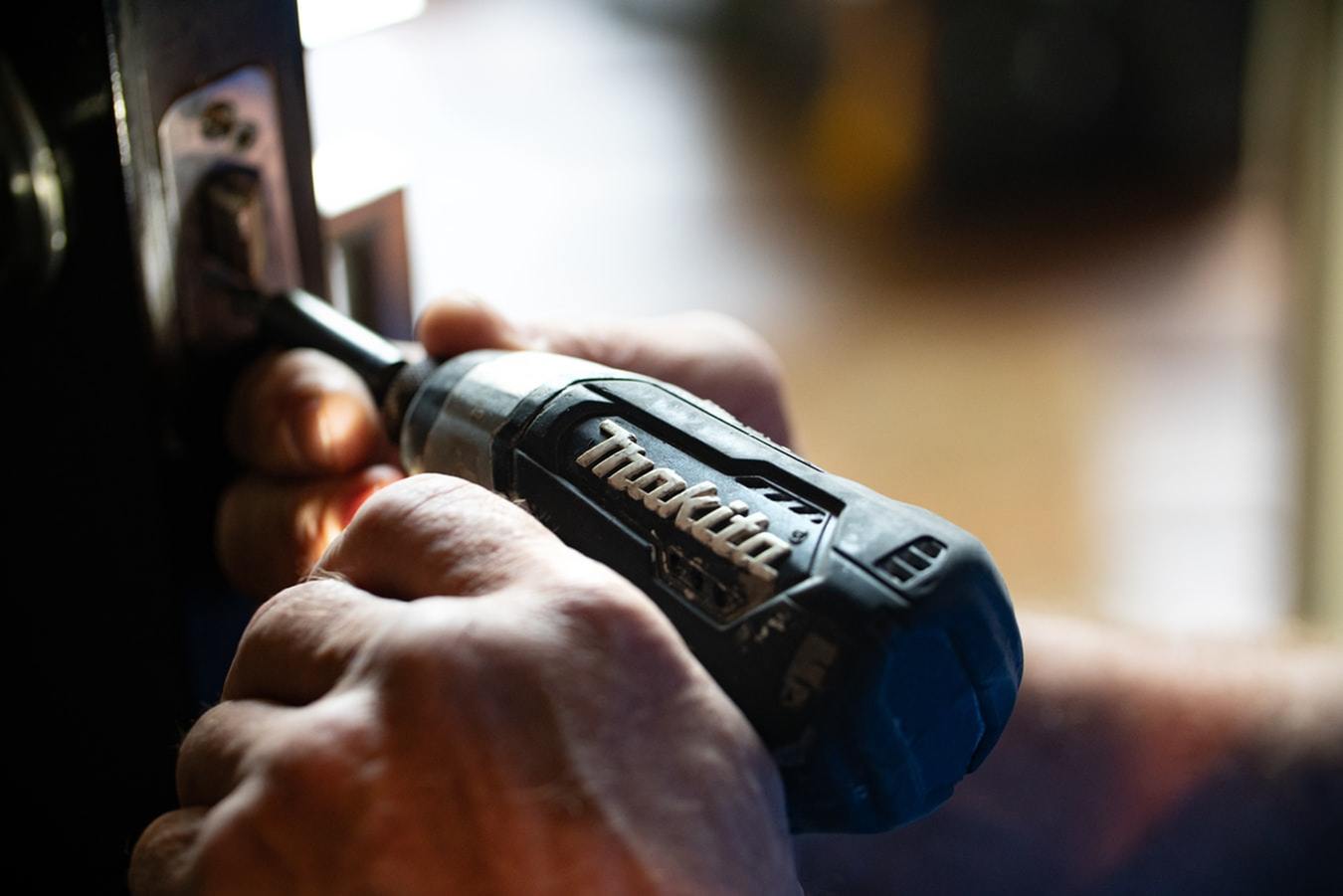
On the surface, deciding whether to repair or replace equipment or an appliance may seem straightforward, but with closer examination, it becomes apparent this is yet another arena where a property manager exercises art along with science.  And these decisions have significant impact on customer retention and cash flow. Ultimately the choice will vary by property and ownership circumstances, but below are some criteria WPM Property Managers use to evaluate these decisions: 50% of Replacement.  If a repair exceeds 50% of replacement cost, there needs to be a compelling reason not to replace versus repair. Remaining Useful Life.   We have to do the math. If a repair is made, how long will the item likely last?  If the item is replaced, how long will it likely last?  For example, if a 10-year old appliance costs $125 to repair, but only is expected to last an additional two (2) years, the cost-per-additional-year to repair it ($62.50/year) is more than the yearly cost associated with purchasing a new $400 appliance with an expected 10-year life ($40/year). Efficiency Bonus:  Payback & ROI.   Is there a payback benefit more than reduced repair cost, like utility savings, that justifies replacement over repair?  For example, if you install new efficient hallway lighting for $400 and you project this will result in reduced electric expense of $110 per year, the simple payback period is 3.6 years and simple ROI is 27.5%. Almost all equipment will break, eventually, and all appliances need to be repaired or replaced. Planning and budgeting for a preventative maintenance change-out can help mitigate potential problems, improve the living experience for residents, and ensure the property maintains its competitive market advantage. -John Puller, CPM® Regional Property Manager

Read more