

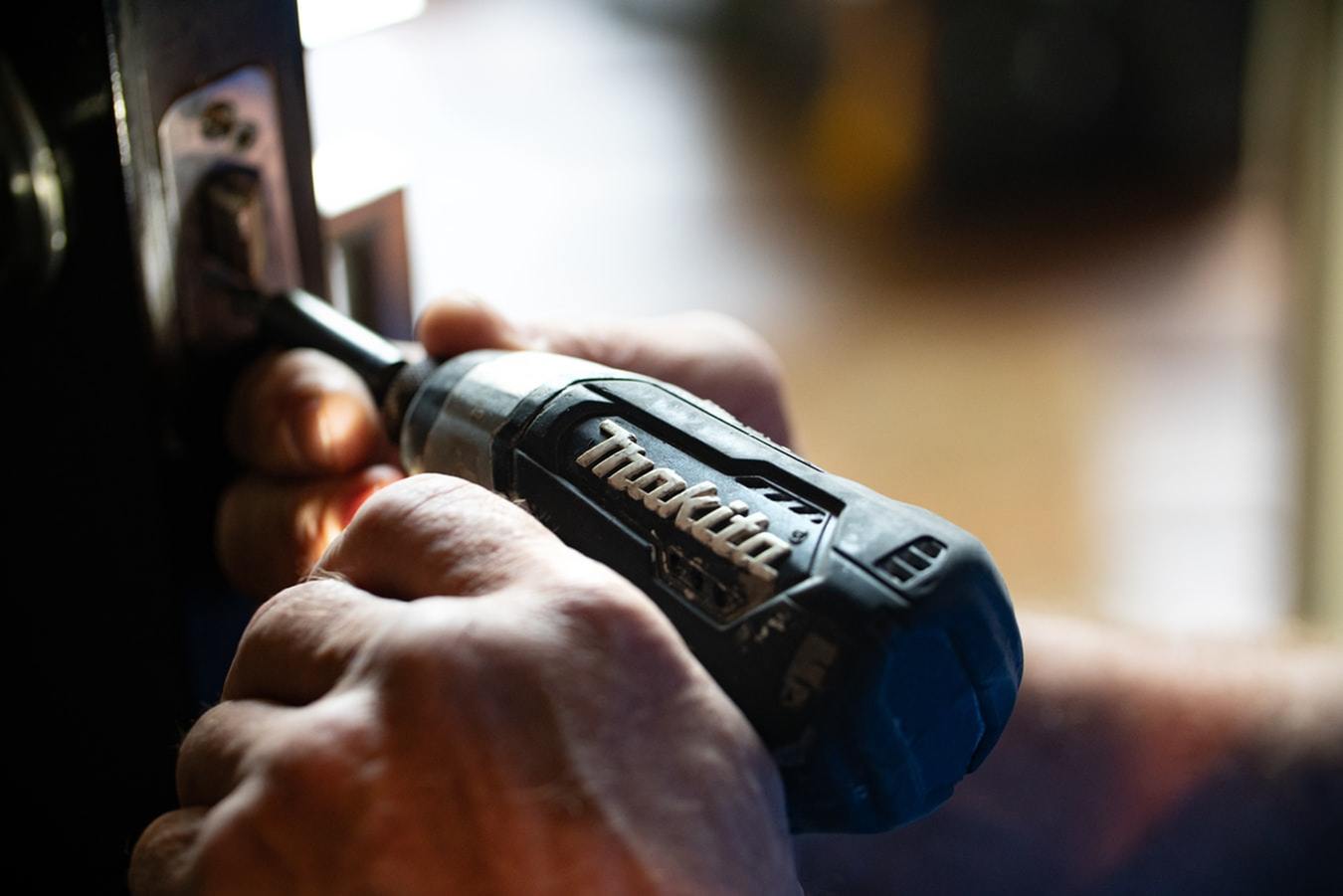
 On the surface, deciding whether to repair or replace equipment or an appliance may seem straightforward, but with closer examination, it becomes apparent this is yet another arena where a property manager exercises art along with science. And these decisions have significant impact on customer retention and cash flow. Ultimately the choice will vary by property and ownership circumstances, but below are some criteria WPM Property Managers use to evaluate these decisions:
50% of Replacement. If a repair exceeds 50% of replacement cost, there needs to be a compelling reason not to replace versus repair.
Remaining Useful Life. We have to do the math. If a repair is made, how long will the item likely last? If the item is replaced, how long will it likely last? For example, if a 10-year old appliance costs $125 to repair, but only is expected to last an additional two (2) years, the cost-per-additional-year to repair it ($62.50/year) is more than the yearly cost associated with purchasing a new $400 appliance with an expected 10-year life ($40/year).
Efficiency Bonus: Payback & ROI. Is there a payback benefit more than reduced repair cost, like utility savings, that justifies replacement over repair? For example, if you install new efficient hallway lighting for $400 and you project this will result in reduced electric expense of $110 per year, the simple payback period is 3.6 years and simple ROI is 27.5%.
Almost all equipment will break, eventually, and all appliances need to be repaired or replaced. Planning and budgeting for a preventative maintenance change-out can help mitigate potential problems, improve the living experience for residents, and ensure the property maintains its competitive market advantage.
-John Puller, CPM®
Regional Property Manager