Posts about Commercial

Perspectives on Mitigating Occupational Exposure to COVID-19: A Q&A with Shari Solomon, Esq.-image

WPM recently interviewed Shari Solomon, Esq., president and founder of CleanHealth Environmental, LLC. Ms. Solomon shared her expertise with WPM about how workplaces and residences can mitigate the risk of exposure to COVID-19 for their residents and tenants. WPM: What can you tell us about the importance of industrial hygiene generally, before COVID-19? Solomon: As an environmental consultant who specializes in industrial hygiene, I focus on occupational exposures to health hazards which pertain to safety concerns in working environments. For example, my colleagues and I may assess indoor air quality exposures, administer OSHA trainings, and/or provide infection prevention support to the healthcare field. My area of expertise is infection prevention. When I first started working as an industrial hygienist for the healthcare industry nearly 15 years ago, the primary focus was on the level of radiation that technicians might be exposed to, or the chemical hazards that pathologists may come into contact with during medical processes, for example. There is now a recognition of the safety hazards that may arise for environmental service technicians (the terminology we use for the housekeeping staff) in the healthcare field. For example, the average environmental services technician comes into contact with harsh disinfectants on a daily basis. We therefore assess procedures that help lessen their exposure. More recently, we have become more focused on biological sources of exposures, which is where our expertise can really help reduce the spread of the COVID-19. WPM: How has COVID-19 changed things for multifamily real estate, commercial real estate, and those organizations who provide services to individuals living and working in these types of properties? Solomon: COVID-19 has significantly affected many areas of our lives, which naturally will impact the “new normal” for where we live and work. For commercial real estate, the stay-in-place mandates coupled with the public’s natural reluctance to venture out means commerce has been curtailed. As a result, one of the biggest things that commercial property managers can do to encourage re-occupancy is to create and communicate a re-occupancy program. We can substantially mitigate the risk of infection by minimizing the opportunity for transfer. To do this, property managers should: Develop a policy that stipulates CDC guidelines, such as maintaining social distancing, wearing a mask, etc. Communicate the policy with occupants and tenants Continue to provide periodic validation that the policy is being followed and enforced. For multifamily real estate, the focus is not on re-occupancy, but on maintaining occupancy. The three steps listed above will also provide reassurance to multifamily residents, encouraging them to maintain occupancy.   As for the guidelines that each policy should include (point number one, above), we recommend addressing the following: Adhere to recent CDC guidelines: As our understanding of COVID-19 evolves, it is important to follow the latest guidelines from the CDC. Each facility should appoint at least one person to regularly review these guidelines and update the policy accordingly. Mandate social distancing. Require that employees stand six feet apart and post signage to remind anyone who enters the building about this rule. Create visual cues to help people remember what six feet looks like. For example, one company drew circles around employees’ desks. Managers should also consider installing plexiglass or higher partitions. Require Personal Protective Equipment (PPE): PPE such as masks should be required in any indoor environment. Cleaning and disinfection: Create a cleaning schedule that includes frequent cleanings of the entire building, and in particular the high-traffic areas and high-touch surfaces. Hand hygiene: Encourage frequent hand washing by posting signage throughout the building and creating more wash stations. Create signage that discourages shaking hands and touching. Address indoor quality: Improve air quality by improving air circulation. Ensure your HVAC system is functioning well by continuing regular maintenance, which includes inspecting and changing air filters regularly. Also continue to look for ways to increase access to fresh air. Communication: It cannot be overstated that these safety procedures need to be communicated as the norm at frequent intervals. People get comfortable and will naturally slide into less strict adherence to the policy. It is up to property leadership to continue to communicate, monitor and enforce compliance. WPM: What do you believe are the most important challenges around “re-opening”? Solomon: I think maintaining vigilance about the health risk COVID-19 poses will be an ongoing challenge. It could be tempting to become relaxed about communicating and enforcing a building’s policies. We must not let this happen, but continually reference CDC guidelines to be sure we are offering the best in safety and compliance to our residents and tenants. WPM: Are there any new opportunities or positive changes you anticipate coming out of the pandemic? Solomon:  I am glad to see industries more focused on infection prevention. This could be a positive shift toward a healthier lifestyle for all of us. I also think the new flexibility that allows us to work from home could have positive repercussions for both people’s work/life balance and productivity. WPM: What advice would you provide to multifamily and commercial real estate owners and related service providers as they begin to re-open? Solomon:  People have a lot of anxiety right now because they feel like they have no power to fight against the spread of this virus. But I want to empower them to know that they can protect themselves if they take right measures to minimize the opportunity for transfer of infection. For example, I had a government client who was trying to figure out how to protect their employees when 90 percent of them arrived to work via public transportation. The manager felt powerless to contain the exposure. But I advised that there are six links in the “chain of infection.” If you break any one of those links, such as washing your hands to remove the pathogen or not touching your face, you can significantly reduce your risk. Or you can take ownership of sanitizing your personal desk space and requiring social distancing when talking to colleagues. You do have the power to reduce your risk! CleanHealth Environmental, LLC offers comprehensive training and consultation services for industrial hygiene fields and infection prevention. These services can both satisfy regulatory compliance in the field and provide valuable risk management solutions. For more information about CleanHealth visit www.cleanhealthenv.com.

Read more

Life of the Streets-image

You get one chance to make a first impression. And for commercial properties, part of that first impression is based on the condition of the streets, driveways and parking lots that potential customers use before ever entering your building. Therefore, it’s imperative that property owners make a great first impression by  Preventing  and  Preserving , to  Prolong  their drivable area’s useful life. Prevent.  While wear and tear on your property’s asphalt is inevitable, you can slow the deterioration in the following ways: Fix drainage problems.  Standing water seeps into asphalt causing it to crack and break down, creating potholes. Stop this problem before it starts by touring your property’s asphalted areas after a heavy rainstorm to see where water has pooled. Then redirect water flow to address these problem areas. Reduce the load.  Larger vehicles such as trash trucks and commercial trucks wear down your property’s asphalt. So limit your asphalt’s load by positioning trash dumpsters near the entrance. You can also reinforce areas near loading docks to protect driveways from heavier trucks. Preserve.  There are several routine maintenance tasks you should perform to extend the useful life of your property’s streets, driveways and parking lots. Seal it.  Sealcoating your lot not only protects it from the elements, but it also keeps it looking fresh and new longer than a non-coated lot. Fill it.  Small cracks will eventually appear in any asphalt or concrete surface. The key is to fill those small cracks before they become bigger cracks. Clean it.  Keeping your lots and streets clean not only helps you create a great first impression, but also contributes to their longevity. Regular cleaning prevents damage caused by debris. It also makes it easier to see the condition of the lot and attend to problems. Prolong.  Performing regular repairs and preventative maintenance to your drivable areas prolongs their life. This saves you money in the long run, as you’ll have to repave or replace your streets and lots less frequently. What’s more, it’s easier to budget for ongoing preventative maintenance. So remember: make a great first impression by  Preventing  and  Preserving  to  Prolong !

Read more
Safety and Security Tips for Commercial Properties-image

According to Murphy’s Law, “Anything that can go wrong will go wrong.” And commercial properties are especially susceptible to this adage. Commercial properties host hundreds (or even thousands) of customers and employees each day and may often house machinery, merchandise and other equipment worth millions of dollars. That’s why property managers must be especially vigilant regarding the safety and security of the personnel and property they oversee. Below are some tips to help improve the  Safety  and  Security  of commercial properties. SAFETY Invest in good lighting.  Sufficient interior and exterior lighting is important. Good outdoor lighting helps drivers see other cars and pedestrians. It deters theft and loitering. It illuminates steps, uneven sidewalks or other tripping hazards. And it contributes to the overall appearance of the property. Indoors, good lighting makes fall risks more visible. And remember, while some tenants may prefer low lighting to add to the ambiance of their property, safety should always be prioritized over aesthetics! Identify fall risks.  Landlords should regularly perform safety audits to identify fall risks. Walk the property and look for things like loose steps, uneven flooring, slippery surfaces or obstructed walkways. Winter weather elevates the risks for any property. Icy sidewalks and snow-covered parking lots require property managers to be even more vigilant for fall risks and address them before someone gets hurt. Prepare for emergencies.  Property managers should always hope for the best and prepare for the worst. Like any structure, your commercial property is susceptible to lightning, high winds, fire, terrorist attacks, flooding and more. It’s a sobering list. Each potential disaster requires a disaster response and restoration plan. But creating the plan is only half the job. Updating and practicing your response is the crucial component of any disaster mitigation plan. SECURITY Install a quality alarm system.  Step 1 for securing any property is installing a good alarm system with a reputable company that provides 24-hour surveillance. Limit entrances.  If your property has multiple entrances, consider limiting tenants and their customers to using one, monitored entrance, and keep other exterior doors locked from the outside. (Per fire codes, they will need to remain unlocked from the inside.) It’s far easier to know who is in the building if there is just one entry point. Hire a security guard.  When budgets allow, a security guard adds extra monitoring and also lends a sense of security for tenants and their clients. Of course, while these security tips help commercial properties be more secure, there is no way to completely safeguard any property. WPM Commercial Property Manager Tiffany Smith cautions, “No Landlord or Condominium Association should assume liability for the security of an Owner’s suite or of the general common area. Even if the Landlord or Association agrees to hire a security guard, this is never a sure guarantee that everyone is safe. The best way to handle security of common areas is to ask Landlords, Tenants, Boards, and Owners to work together and report anything that seems suspicious to the police department.” While Murphy’s Law is often true , the prudent property manager should follow these tips and answer Murphy with this: “Anything that  can  be planned for or prevented  will  be planned for or prevented!”

Read more
“Summerizing” Your HVAC Unit-image

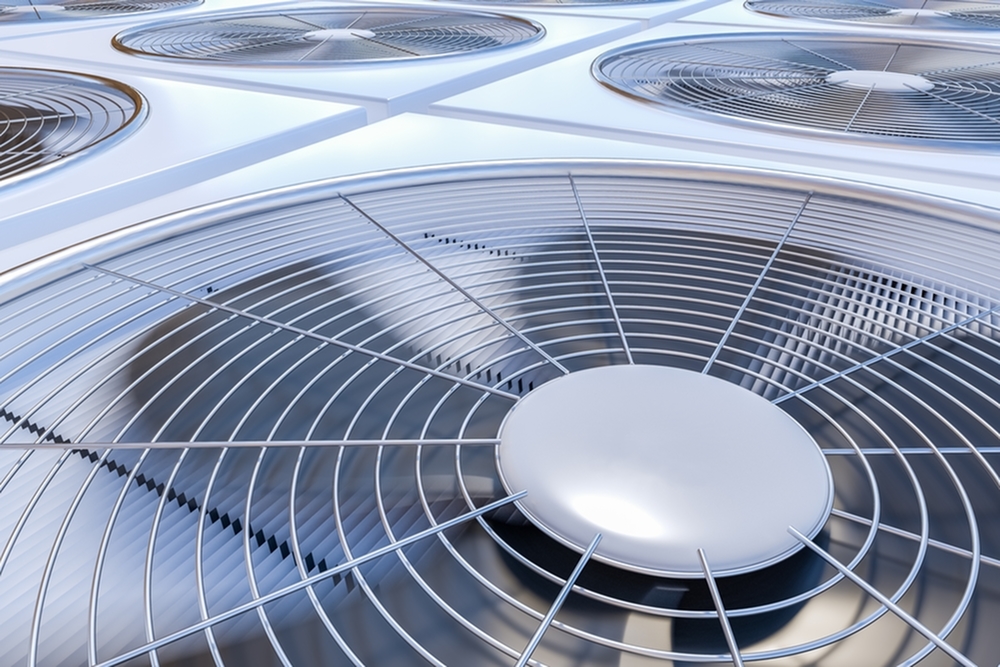
When the hot, humid air rolls in each summer, can your HVAC unit handle the heat and keep you cool? What many homeowners and property managers do not realize is that their air conditioner may not actually be operating optimally. Below is a primer in HVAC care, with some easy fixes that will help your unit run smoothly all summer long. Get to Know Your A/C Let’s start with a crash course about how your air conditioner works. Your AC comprises two parts: the condenser unit, which sits outside, and the evaporator unit, which is found indoors. Together, these components remove heat and moisture from the air through refrigeration technology. The air handler then blows the dehumidified and chilled air through the ductwork of your home. Before You Begin Some of the repairs necessary to keep your unit running smoothly should be handled by a licensed professional. For example, anything pertaining to the sealed refrigeration system is  not  a DIY job. There are also important safety precautions to note before you begin: always turn off the power to the condenser at the service panel. If your unit has a weatherproof disconnect box, turn this off, too. And the furnace often has an additional circuit breaker in the main electrical cabinet that you need to turn off.  If you have any questions about whether you have completely shut off the power to your unit, do not make any repairs. Call a professional. Tips for HVAC Care: 1.   Test your system early and beat the rush.  We recommend doing all of the suggested repairs listed below and testing your AC  before  temperatures start to climb. If you wait until summer is in full swing, you may be last in a long line of other customers who also just discovered their AC unit wasn’t working. The peak season for air conditioner repairs runs from late spring through early summer, so if you wait until then, it could be days or even weeks before your unit can be serviced. 2. Change the filters.  The air filter’s job is to catch the dirt, dust and particles that flow through your system. It doesn’t take long for those particles to build up, requiring your system to work harder to force air through, which translates to a less efficient system. That’s why it’s imperative to change the filters as often as is recommended by your HVAC’s manufacturer. 3. Clean your unit.   Sometimes all you need to help your HVAC unit run more efficiently is a little elbow grease. Remove debris and moisture from the base of your condenser. Give the fan blades a wipe down with a cloth. Add the manufacturer-recommended oil to the fan motor’s oil ports. And remove any debris that obstructs airflow through the condenser unit. 4. Clear the condenser coils.  Unscrew and remove the side and top panels from the condenser. Use a refrigerator comb to gently clean the coils, being careful not to bend them. 5. Protect the coolant lines.  The tubes between the evaporator to the condenser are usually covered with insulation to preserve energy. If any insulation is missing, replace it by installing a foam insulation sleeve or insulation tape. 6. Check the age of your HVAC unit.   Almost half of the energy use in a typical American home comes from running the heating and air conditioning. As the system ages, it becomes less efficient and, therefore, more costly. If your unit is more than 15 years old, consider upgrading to a new, energy-efficient model. Follow these easy tips every spring to guarantee a cool summer. And remember, always call a licensed professional for repairs, unless you are absolutely sure that you know what you’re doing!

Read more
Responsibilities of Managers, Tenants, and Owners in a Commercial Condominium-image

In a Commercial Condominium setting, managers, tenants and owners have unique responsibilities to one another and to the property. Tenant responsibilities are the simplest. It’s their responsibility to maintain a clean and undamaged space, comply with the governing documents of the Association they reside in, and to maintain good financial standing with their landlord. Owners are also expected to maintain their properties to the standards stipulated by the Association’s governing documents. In addition, owners are encouraged to have a role in Association governance, exercised by joining the Association Board and attending meetings. The condominium manager serves as lynchpin between the owners, their property and the Association as a whole. Their crucial role comes with many responsibilities, including: Oversight of the day-to-day operation of the Association in all its aspects Fiduciary responsibility for Association funds Assisting the board in the development of annual and project specific budgets, requests for proposals (RFPs), and service contracts Supervision of on-site staff Contract administration for services rendered by the Association, Assisting the board in enforcing of the Association’s governing documents and policies/rules Oversight of all property amenities, including structures, infrastructure, hardscapes, greenspaces, and storm water facilities Providing subject matter expertise regarding the Association’s governing documents and policies, as well as state and federal laws related to Condominium Association   Through their diligence, managers help ensure properties operate at optimal efficiency. There is, however, one responsibility that managers not have, and that is a direct responsibility to a tenant. While the manager is able to assist with basic requests such as notifying a tenant when work is being performed on the property or assisting them with general questions relating to the property, they are limited in the information they can provide a Tenant, such as certain contact information or financial information related to the Association. “We often field phone calls from tenants and, though we can be helpful to a point, we ultimately find ourselves directing them back to their landlord (the unit owner) to have their requests answered,” says WPM Associate Commercial Property Manager Tiffany Smith. So, why don’t tenants receive the same consideration and support as an owner does? “Owners are the ones with the long term financial investment within the Association,” Smith explains. “It’s the owners who are represented by the Association’s Board of Directors. So, while we always do our best to help tenants, our primary obligation is to our client, the Association and its owners.”

Read more
Building Smarter Buildings-image

The day to day demands of a property manager’s job are many: Nancy is cold again!   Quick, go fix that heater! The toilet is stopped in the accounting department!   Oh no! Gotta check that plumbing! There is another leak in the roof over the lobby!   Really? Time for another patch! This non-stop barrage of daily demands makes it really tough for property managers to prioritize long-term strategies for extending a building’s life, over quelling the “tyranny of the urgent.” But insisting on high-performance strategies and best practices can improve the efficiency of the entire building  (and radically improve a property manager’s quality of life) . In fact, by developing long-term strategies that keep all of a building’s many systems operating optimally, property managers can actually  reduce  the number of “urgent” requests that pop up and need to be attended to…quick! WPM’s President of Commercial Management and Construction Services, Mike Klein, asserts that a robust and proactive preventative maintenance program is the key to extending a building’s life. He describes the three levels of building care: 1. Reactive : As equipment and systems break, they are replaced or fixed 2. Preventative : The building’s many elements are regularly serviced to extend their lives and maintain efficiency 3. Proactive : Building equipment is replaced  before  it breaks or becomes inefficient “At WPM we believe that maintaining a high performance building requires proactive care, with a good dose of preventative maintenance mixed in,” Klein explains. “It may seem obvious that preventative building care is essential. But often, long-term planning falls by the wayside when things get hurried. It takes discipline to focus on a building’s future. But that is truly the best practice and what distinguishes successful managers. With a balanced approach to building management, property managers can add real value.”

Read more